5 Common Problems That Slow Construction—and How Your Business Can Avoid Them
Complexity and change are the hallmarks of industrial construction projects. Whether a company is expanding capacity with additional processing lines, modernizing an existing operation with advanced automation, or building a highly sensitive production environment, project construction involves thousands of decisions. Each of these must align across design, procurement, permitting, trade work, safety protocols, commissioning, and future operations—and must also be prepared to adapt in the face of changing conditions.
When decisions are effectively coordinated, the result is a healthier project schedule with a smoother path to completion. Without careful coordination, however, even small issues can compound into major construction delays and escalating costs. In other words, a failure to manage risk—one of the primary responsibilities of a contracting partner.
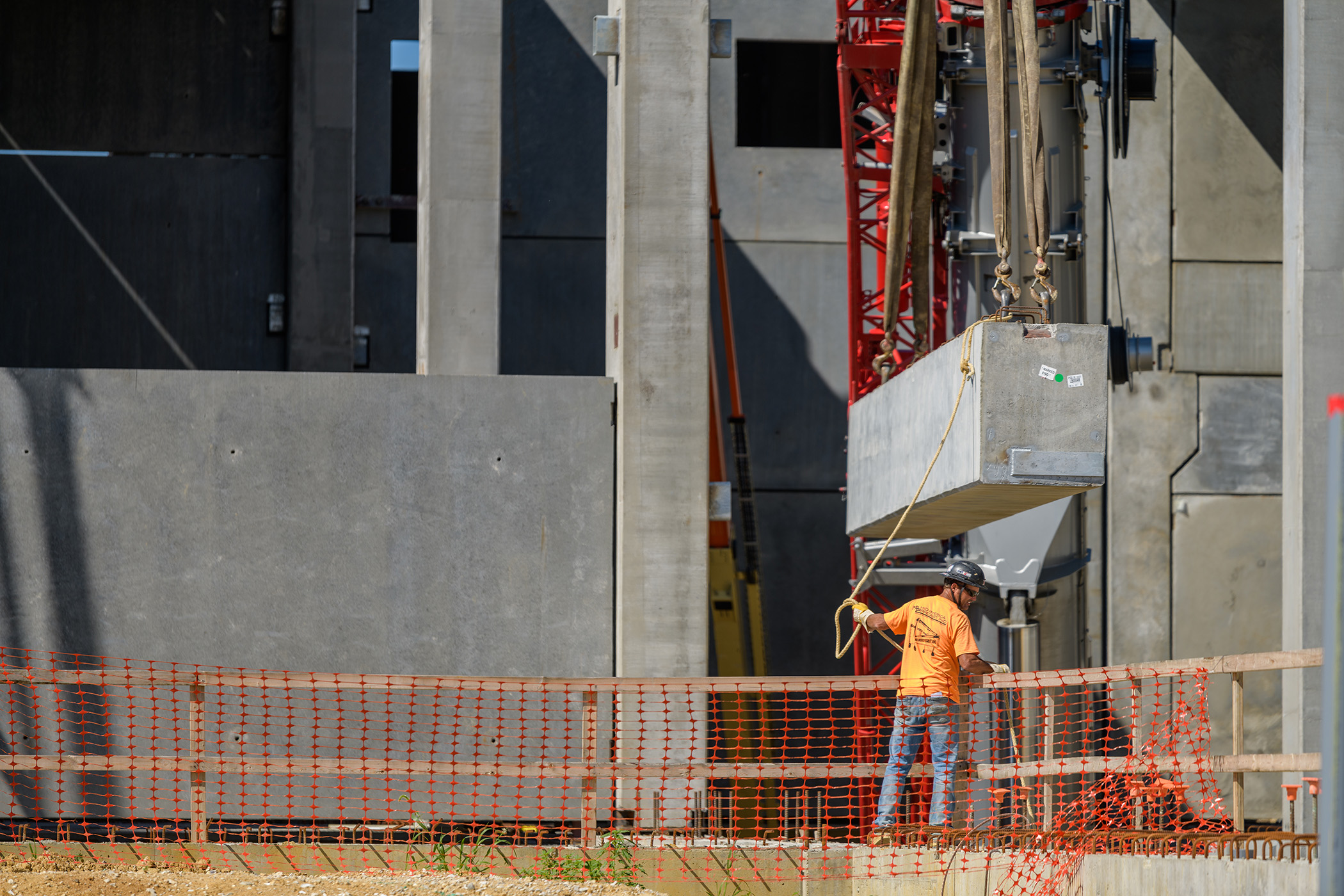
Delays in construction projects are rarely caused by a single isolated problem. More often, they stem from a combination of factors, including planning gaps, communication breakdowns, labor shortages, supply chain disruptions, quality lapses, scope changes, and external pressures. For industrial businesses, the end-users of these projects, the impact of delays extends far beyond the frustration of a longer-than-expected timeline; delays can result in higher labor and material costs, lost revenue in the form of late production starts and missed targets, dropped commitments for their own customers, inaccurate workforce planning, increased regulatory and permitting difficulties, and outdated operational goals. Under contracts with GMPs, clauses for liquidated damages, and other standard terms, these challenges create plenty of exposure for contractors as well.
Fortunately, many common causes of construction delays can be anticipated and reduced or avoided altogether when paired with strategic planning, communication, and proactive engagement.
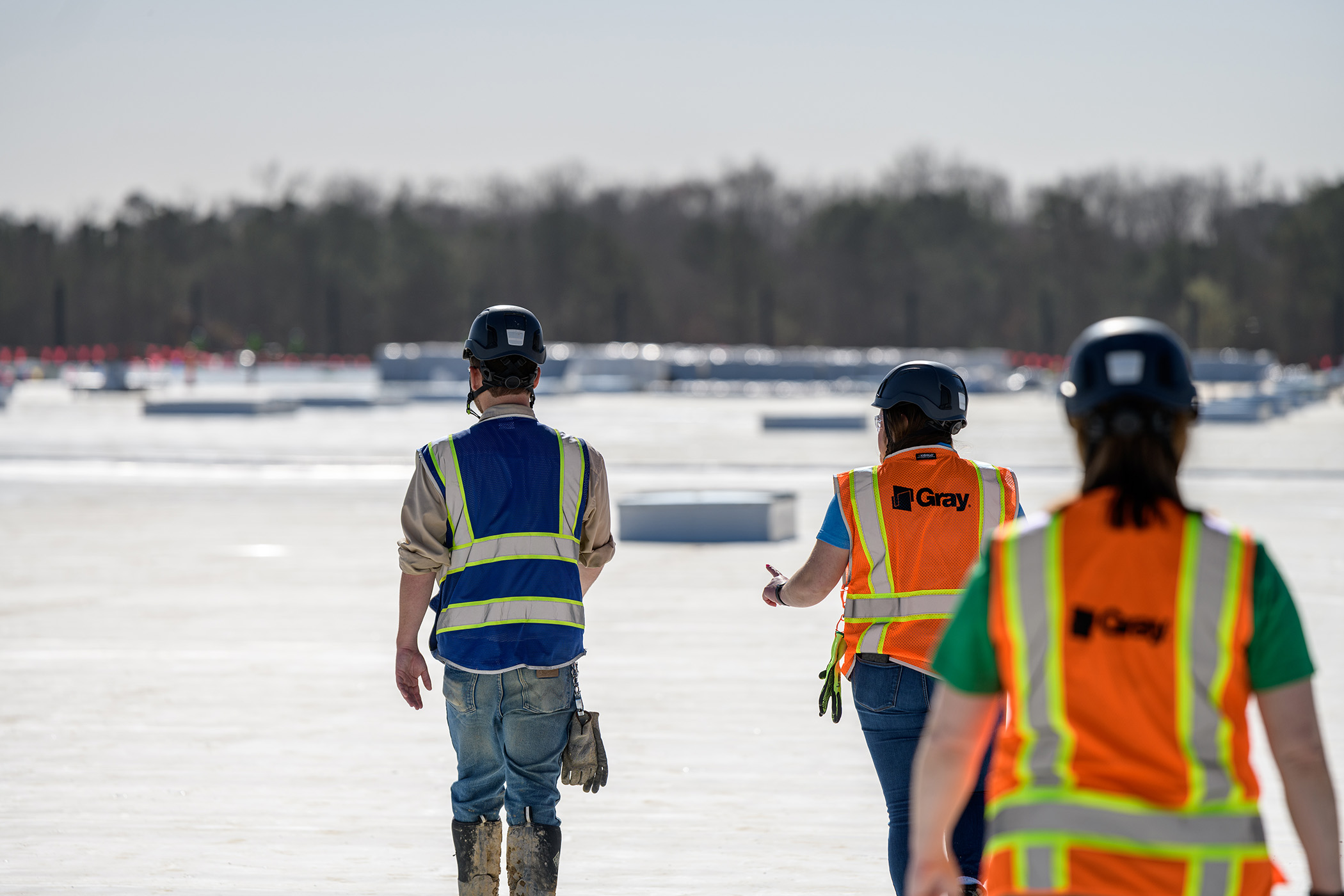
1. Poor Planning & Incomplete Scope Definition
One of the most common reasons for construction delays is inadequate planning before work begins. In large-scale construction projects, front-end decisions shape everything that follows.
When scope is not clearly defined, project teams may move forward without fully understanding the owner’s requirements, building performance expectations, process needs, or future expansion plans. This can lead to redesign, rework, delayed approvals and permitting, cost increases, and missed milestone dates.
“Most schedule issues start long before the work actually falls behind,” says Clayton Wilkerson, field operations manager at Gray. “Inadequate look-ahead planning, unresolved constraints, delayed decisions, incomplete design, missing materials, or poor trade sequencing can all create problems that eventually impact the project’s schedule, safety, and overall culture.”
For manufacturers and distributors, scope gaps can be especially disruptive. In addition to being highly active, these industrial facilities may need to support specialized equipment, strict sanitation and environmental controls, high-volume material movement, or utility-intensive operations. If these needs are not identified early, construction managers may not have a full picture of the project’s critical path, imperiling the schedule and forcing teams to react to challenges in the field rather than address them proactively prior to mobilization.
Avoiding construction project delays starts with alignment. Owners, designers, engineers, builders, trade partners, and operations teams should be brought together early to define the project’s success criteria. That includes not only what will be built, but how the facility must perform once complete.
An integrated approach to project delivery, such as design-build, paired with a strong pre-construction process can help teams validate scope, identify risk, develop accurate estimates, and build project schedules that reflect real-world conditions.
2. Inaccurate Estimates & Unrealistic Schedules
Naturally, every project begins with assumptions and aspirations. After all, nobody ever kicked off a project saying “We plan to finish behind schedule and over budget.” Nonetheless, every contractor has their own cautionary tale of a complex project gone wrong. The challenge lies in thoroughly evaluating assumptions and pressure-testing aspirations before they become commitments.
Inaccurate estimates are a leading cause of many construction project delays because they create a gulf between expectation and reality. If budgets are based on incomplete information, outdated pricing, or an unclear understanding of scope, owners and their construction partners face difficult decisions once costs become clearer. These can slow approvals, trigger redesign and resequencing, and lead to contention and claims between owners and contractors.
The same is true for unrealistic project schedules. A schedule that looks efficient on paper may not account for permitting timelines, equipment lead times, trade availability, regional climate, inspection requirements, startup support, or safety constraints during overlapping scopes. When one milestone on the critical path slips, the entire project schedule suffers.
A healthy project management schedule is more than a list of dates; it’s a planning tool that connects design and engineering, procurement, sitework, staffing, safety planning, quality checks, commissioning, and operational turnover.
“Successful teams don’t simply build a schedule,” says Wilkerson. “They verify that manpower, materials, equipment, drawings, permits, daily production rates, and decisions are all in place before work begins.”
To reduce construction delays, project schedules should be developed collaboratively and updated frequently. Project managers must evaluate critical path activities, identify constraints, and create a delay mitigation plan before issues become urgent. This proactive approach helps the team understand what must happen and when, as well as what alternatives are available if conditions change.
3. Scope Creep & Late Changes
It’s inevitable that industrial projects evolve: systems initially thought to be difference makers are value engineered out of the equation; process layouts are adjusted to add production lines; equipment specifications change in response to cost increases or backorders. These and a hundred other changes may occur while building something as complex as a 500,000 s.f. manufacturing plant or a fully automated distribution center. When owners drive these decisions, they do so with good reason—responding to a change in market demand, a disruptive new technology, or a shift in trade policy. Some change is expected. But when changes are introduced late or without a clear decision-making process, they can create significant construction delays.
Scope creep can affect design, procurement, labor, sequencing, inspections, and cost. A seemingly simple change—such as modifying a wall layout or adding utility capacity—may affect multiple disciplines. Mechanical, electrical, structural, architectural, process, and automation teams may all need to revisit their work.
“When we’re clear about what we need from the owner and when we need it, we can establish meaningful milestones and maintain project momentum,” says Brett Goode, executive vice president of the food & beverage market for Gray. The converse is equally true. “Customer input is also critical…but you must understand which decisions are flexible and which are not.”
Late changes can also disrupt trade partners. If work already installed must be removed or modified, the project progress loses time and productivity. If materials have already been ordered, substitutions or replacements cost more time. If approvals are required, the team may have to pause work until updated documents are complete.
The best way to manage scope creep is through early collaboration and disciplined change management. Before the project begins, owners should adopt a more collaborative procurement strategy and choose partners with a proven track record in integrated, fast-track delivery for complex industrial projects. By uniting stakeholders across design and construction early, as well as their own operations, maintenance, safety, and quality teams, owners can identify needs and anticipate challenges before the first shovel breaks ground.

4. Labor Shortages & Trade Partner Constraints
It’s no secret that labor shortages continue to challenge the construction industry. Skilled craft professionals, experienced supervisors, and specialized trade partners are essential to project success, particularly in complex industrial environments. A successful project staffing strategy puts the right labor in the right place at the right time.
When these conditions aren’t met, schedules can quickly slip, causing project delays. A delay in one trade can affect several others, especially when scope lies on the critical path.
Trade partner coordination is just as important as trade partner availability. Industrial projects often involve dense work areas, specialized systems, tight tolerances, and overlapping scopes. Without experienced management, crews may compete for space, materials may arrive too early or too late, and rates for injury accidents and property damage may increase.
Reducing these risks requires engagement with trade partners early and often. General contractors should understand labor capacity, identify long-lead scopes, validate installation sequences, and build a staffing plan that supports the schedule while prioritizing worker well-being.
Owners benefit when construction teams treat labor planning as a strategic priority rather than a field-level issue. Strong safety planning, clear communication, realistic sequencing, and well-coordinated site logistics help trade partners perform efficiently and safely.
5. External Pressures & Events
Some of the most common construction delays arise from external challenges such as material shortages, extended lead times, weather events, utility coordination, special permitting and approvals, and delayed tax incentives or owner funding.
Supply chain disruptions can be especially challenging for industrial projects because many facilities rely on specialized materials, systems, and equipment with few or no alternative suppliers. These may include proprietary process equipment, control systems, or OEM replacement components. More common long-lead items include electrical switchgear, rooftop units, and structural steel. If procurement and construction teams are not closely aligned on schedule, progress can stall while teams wait for materials to arrive.
“You can’t control how fast suppliers [manufacture materials], but you can understand lead times, plan accordingly, and make sure purchases happen early enough to keep the project on schedule,” says Richard Edwins, business unit leader for strategic projects at Gray. “A detailed review of product data and submittals helps prevent rework and ensures the right [materials] are delivered the first time.”
“That’s where strong vendor relationships become important,” adds Taylor Dunbar, project manager at Gray. “By reserving procurement windows before a project even starts, we’ve been able to reduce delivery timelines by 6–8 months in some cases.”
As with residential and commercial construction, weather is one of the most common sources of construction delay for industrial projects. Excess rainfall, high winds, and extreme temperatures affect sitework, concrete activities, roofing, building enclosure, and other exterior scopes. When paired with extreme weather, ordinary cycles such as regulatory reviews, environmental inspections, and utility approvals can introduce additional uncertainty.
While these factors can’t be controlled, their impacts can be absorbed or deflected with proper planning. A strong delay mitigation plan expects the unexpected:
- Build in float time when possible
- Order long-lead equipment and materials early
- Source alternatives
- Develop robust emergency weather protocols
- Submit information to permitting authorities and regulatory bodies promptly
Should external pressures affect the project, these contingencies can offset their impact; if challenges don’t manifest, the project schedule benefits accordingly.
Communication: the Thread Connecting Every Solution
Poor communication may not show up on paper as the cause of a delay, but it is often the silent current running through each issue.
When teams are not aligned, misunderstandings, assumptions, and communication gaps remain hidden until they become schedule threats, site walk surprises, and missed milestones. Strong communication enhances visibility and breathes good judgment into each member of the team. When teams are connected, they identify risks earlier, make improvements more frequently, and complete tasks faster. Regular coordination meetings, clear documentation, shared schedules, defined decision paths, and transparent reporting all support a more predictable and successful construction process.
For industrial owners, relevant stakeholders include the workers who will operate the facility after construction is complete. Bringing operations, maintenance, safety, quality, and production stakeholders into the process can help ensure the finished facility supports the whole business—not just the building program.
Charting a More Predictable Path Forward
Construction project delays affect cost, speed to market, operational readiness, and long-term business performance, but they aren’t inevitable.
By investing in early planning, accurate estimates, realistic project schedules, strong construction management, proactive procurement, and clear communication, owners can reduce risk and create a more predictable path to completion.
For industrial projects, the delivery model matters. Integrated approaches that bring design, engineering, construction, trade partners, and operational stakeholders together early can help teams identify challenges before they impact the field. That alignment supports faster decisions, fewer surprises, and a stronger foundation for the project’s success.
In today’s industrial environment, speed is important—but predictable speed is what creates lasting value. The companies that avoid construction project delays are often the ones that plan early, communicate clearly, and choose partners who understand the full project complexity of bringing a facility from concept to operation.
Some opinions expressed in this article may be those of a contributing author and not necessarily Gray.
Related News & Insights
Manufacturing, Construction
Clayton Wilkerson: Q&A with Construction Site Manager on Quality
Stories
Design-Build Approach Gaining Traction in Industrial Construction Projects
Projects
November 29, 2011Food & Beverage
Responding to Supply Delays, Labor Shortages, and Economic Downturn
Industry