What’s an Industrial Millwright? (And Why Your Project Needs One)
Behind every successful industrial facility is a team that ensures equipment is installed, aligned, and operating as intended. Learn what an industrial millwright does and why involving one early can reduce risk and improve project outcomes.
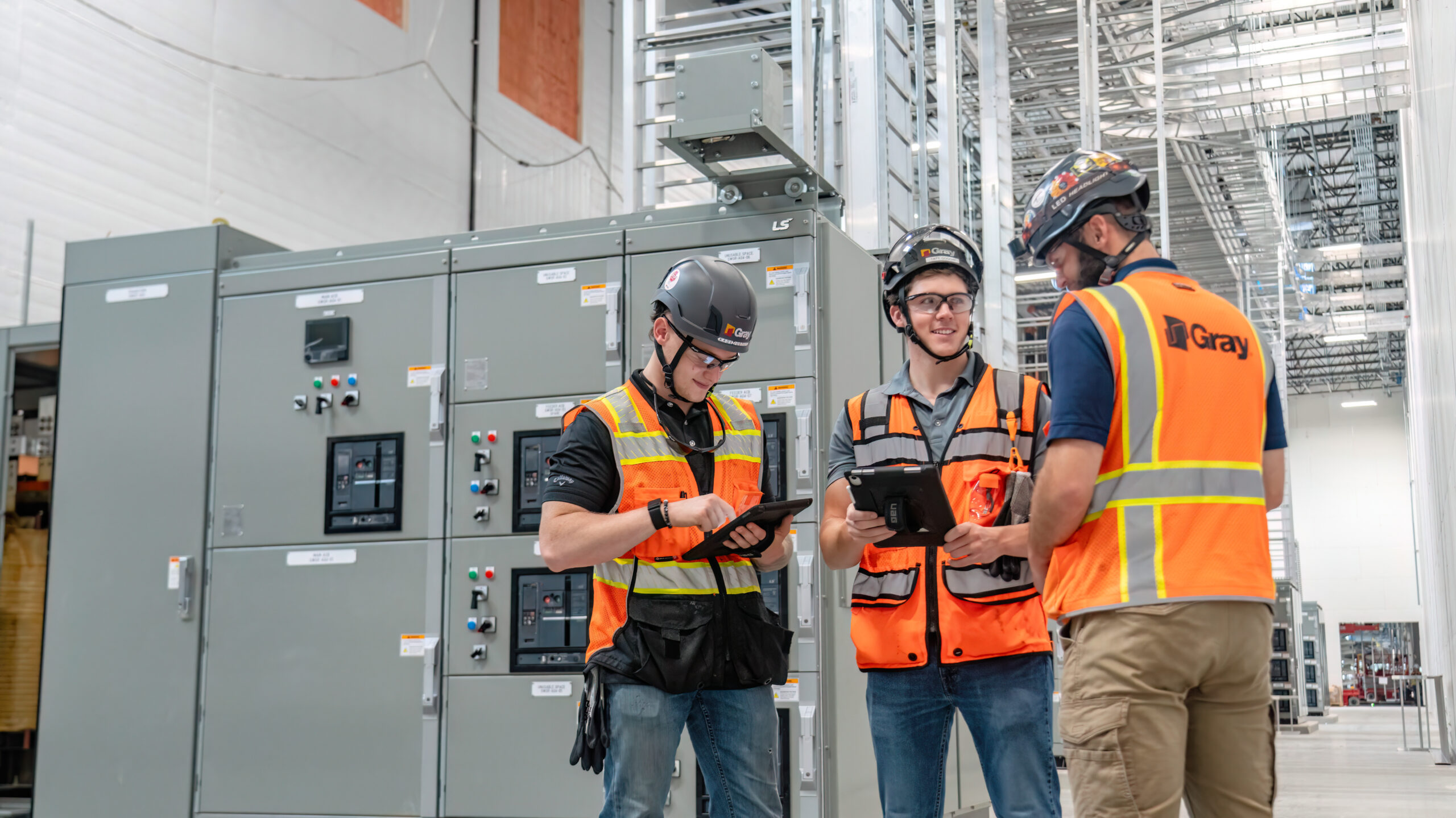
Industrial projects are defined by complexity. A single facility may contain hundreds—or thousands—of pieces of equipment, from conveyor systems and pumps to robotic systems, packaging lines, and process machinery. Each component must not only work properly on its own, but also integrate seamlessly with every other system around it. Should that integration fail, the consequences can cause significant harm: safety incidents, costly rework and downtime, and missed production targets.
At the center of this complexity is a critical but often misunderstood role: the industrial millwright. Millwrights are the specialists who ensure equipment is installed correctly, aligned precisely, and functioning as part of a coordinated, efficient operation. Their impact spans the entire lifecycle of an industrial project, from early design decisions to final commissioning.
So what exactly is a millwright, what do they do, and why should you insist on having one involved in your project?
What Is a Millwright?
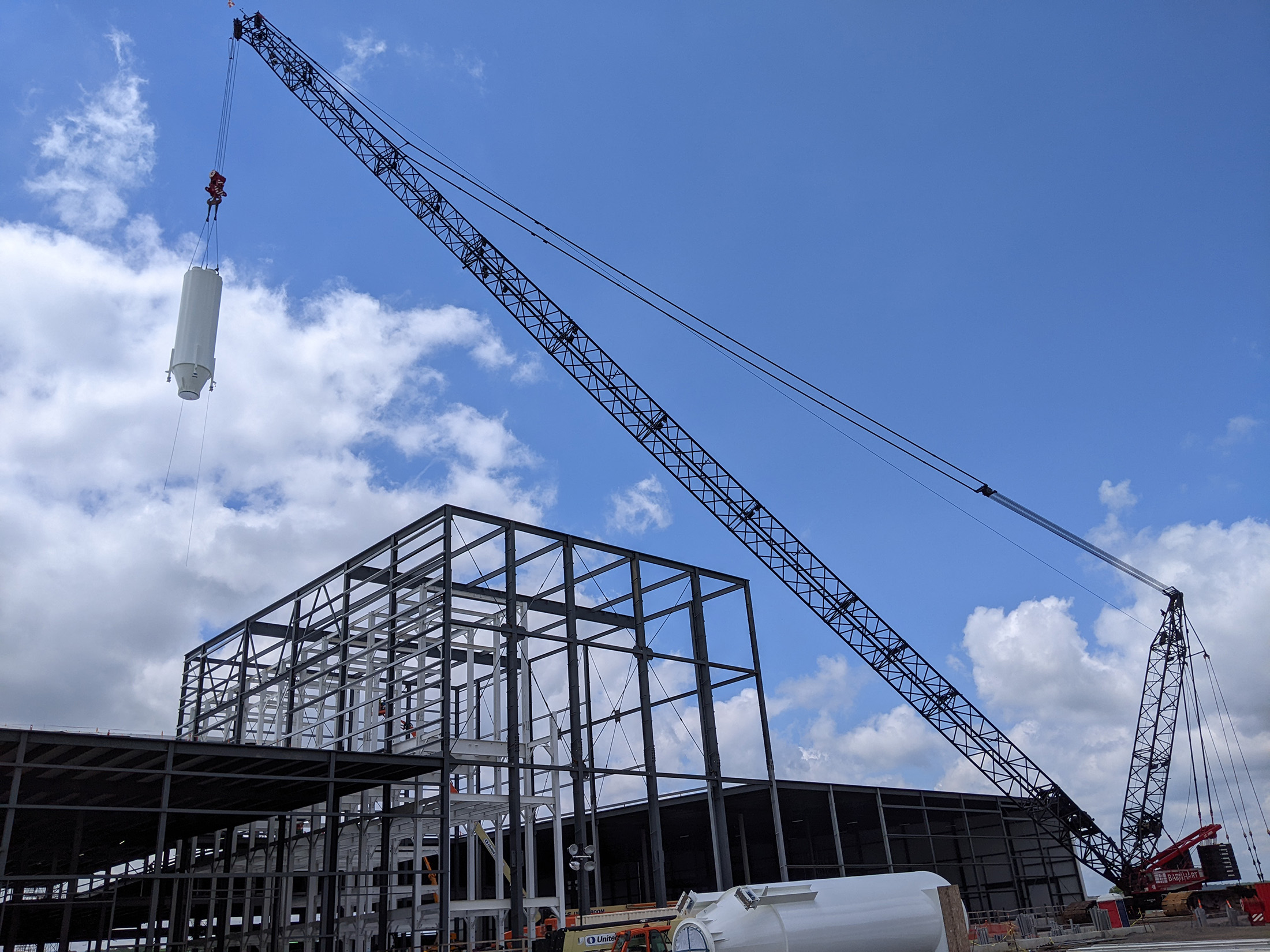
A millwright is a highly skilled tradesperson who specializes in the installation, alignment, maintenance, and integration of stationary industrial machinery and equipment. Unlike trades that focus on a single system—such as electrical or piping—millwrights work at the intersection of multiple disciplines, ensuring everything from mechanical equipment to automated processes functions as one.
Their responsibilities typically include the following:
- Rigging, rough-setting, and installing heavy machinery and process equipment
- Aligning rotating and precision equipment to tight tolerances
- Reading and interpreting complex mechanical drawings and layouts
- Coordinating equipment interfaces with electrical, controls, piping, and structural systems
- Troubleshooting mechanical issues during startup
In practical terms, millwrights are the professionals who make sure machines are not only placed where drawings say they should go, but that their installation reconciles any discrepancies between drawings and as-built conditions. They also ensure systems operate as intended once power is applied and production begins—whether they’re working with existing assets or integrating new machinery into a live facility.
Bringing Value to Every Project Phase
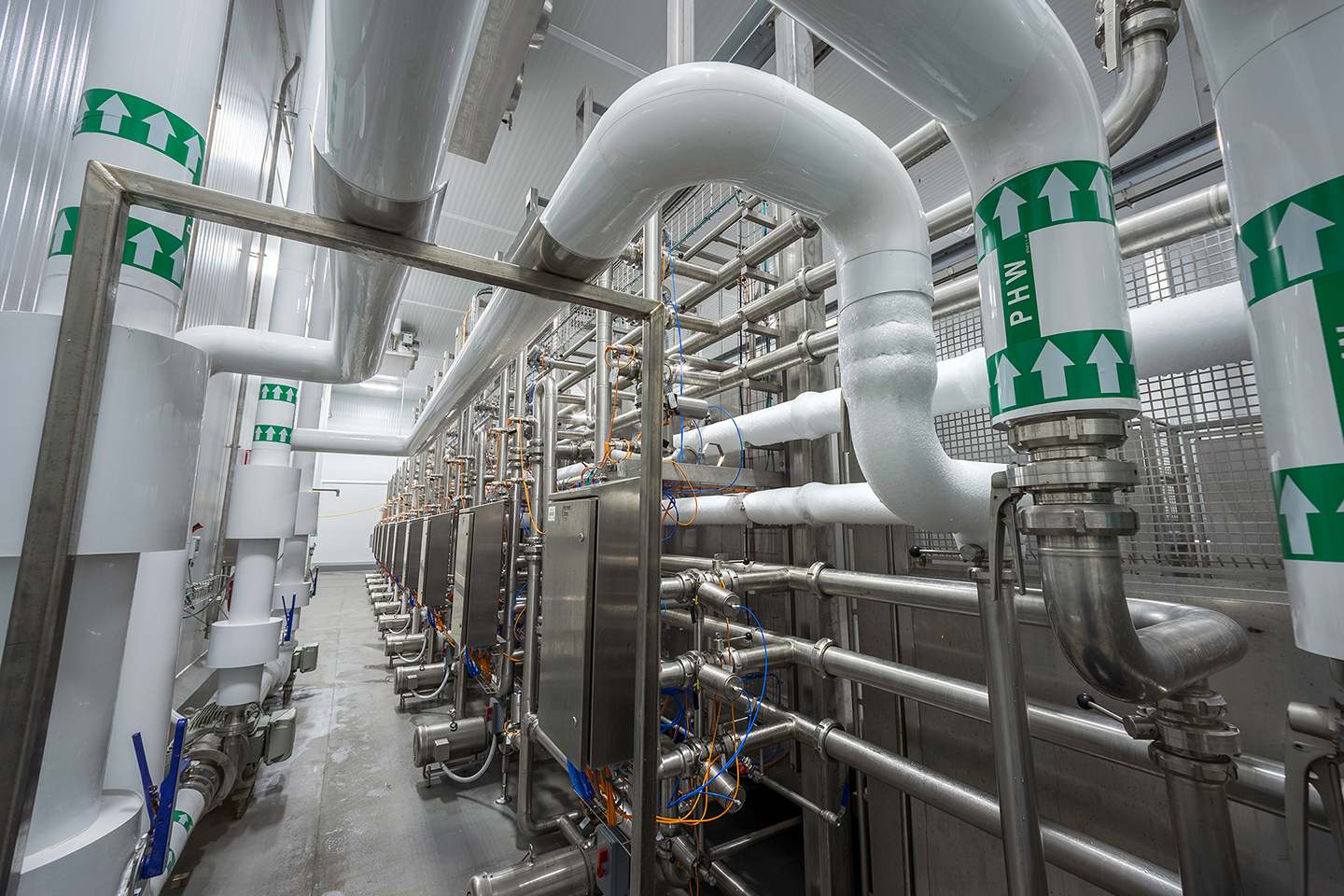
Millwrights deliver value across the metrics that matter most on industrial projects: safety, quality, cost, and schedule. An experienced partner such as NexGen provides certified and qualified labor that possesses the technical knowledge to execute work to the highest standards across these metrics. While millwrights are often associated with installation, their value extends far beyond the construction phase. Involving millwright expertise early—and keeping it engaged throughout the project—reduces risk and improves outcomes across the industry.
“Involving a millwright effectively shifts risks away from owners,” says Chris Schneider, MEP business unit manager within NexGen Contracting’s Mechanical division. “Customers’ internal engineering teams are equipped to handle daily operations, maintenance, and small projects but often lack the resources and labor force to tackle large-scale CapEx projects.”
Proper equipment installation by qualified and certified millwrights reduces rework, warranty claims, and long-term maintenance costs. Engaging these professionals throughout your project also minimizes change orders by identifying conflicts early and ensuring equipment is installed right the first time. This process begins long before equipment arrives on site.
Pre-Construction
During early planning pre-construction phase, millwrights provide constructability and maintainability insights that help shape designs. They can identify access issues or equipment layouts that may look good on paper but prove difficult to install or service on busy construction sites. Addressing these issues early reduces the risk of redesigns and schedule delays once equipment arrives on site.
During the procurement phase, millwrights bring practical insights to equipment selection and specification. They can review vendor drawings and data to confirm that equipment dimensions, tolerances, and installation requirements are compatible with the facility design.
Millwright input helps answer practical questions such as:
- Can this equipment be safely set in place?
- Is there adequate space for alignment, maintenance, and future replacement?
- Does the project schedule and sequence of tasks allow for efficient installation?
- Are lifting paths and rigging requirements feasible?
As designs become more detailed, millwrights help validate equipment layouts, elevations, and interface points. They understand how small changes in foundation elevation, anchor bolt placement, or equipment spacing can have major downstream effects.
Construction
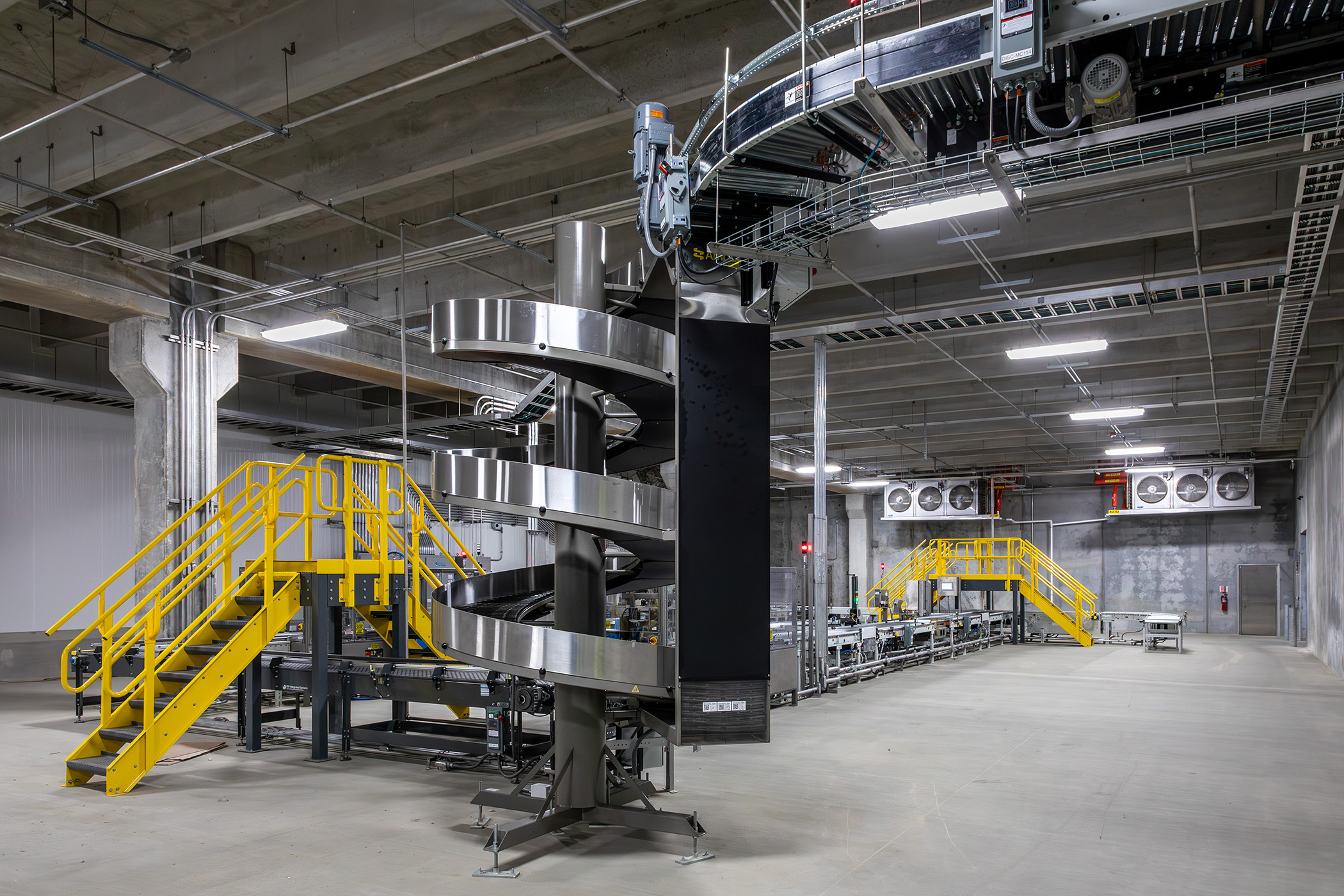
As soon as equipment arrives on site, a millwright is responsible for care while in custody. This includes inspecting for defects, tracking materials, storing and covering components safely, and performing preventive maintenance to avoid rust, debris infiltration, or damage that could later require major repairs. Millwrights also lubricate equipment to keep moving parts from locking up and ensure their smooth operation once installed.
During construction, millwrights play a central role in coordinating equipment installation activities across disciplines such as structural, electrical, and process engineering, which helps maintain schedule integrity and reduces downtime between trades.
Handling heavy equipment and precision machinery carries inherent risk. Millwrights are trained to plan lifts, manage tolerances, and execute work safely. Their experience reduces the likelihood of installation-related incidents that can compromise the safety of people and property. Millwrights work closely with rigging crews, ironworkers, electricians, and pipefitters to ensure installation sequences are safe and efficient. Their presence helps maintain alignment between the construction schedule and equipment readiness, reducing idle time and rework.
Industrial Equipment Installation & Commissioning
Equipment installation and startup are often on the project’s critical path. This is where a millwright’s technical training is often most visible—and most critical. Millwrights handle precision installation tasks such as leveling, grouting, alignment, and mechanical assembly and carefully document installation quality and system checks.
The need for precision throughout this process cannot be overstated. Deviations of only a fraction of an inch can put tremendous stress on a system that threatens the integrity of piping, flanges, and more. Millwrights use technology such as lasers, total stations, and robotics to ensure northings, eastings, and elevations are carefully surveyed from a monument (point of reference) and recorded.
Millwrights also coordinate directly with original equipment manufacturers (OEMs) for proper handling requirements. The millwright will confirm the manufacturer’s recommended pick and lift points to ensure that rigging and installation crews don’t put excessive stress that could damage equipment. An experienced millwright double-checks that these recommendations are followed to the letter, and in instances when directives are unclear, the millwright will proactively work with OEMs and owners to clarify requirements and proper procedures before work is put in place. While this process may require hours of close collaboration to complete, this relatively small investment of time can save weeks and hundreds of thousands of dollars compared to the time and money needed to correct a faulty installation, procure replacement parts, and repair damaged equipment or customer property.
On most projects, the construction checkout process following equipment installation is the final point in a millwright’s services. However, for customers that require additional support, millwrights can provide commissioning services as part of the technical checkout process.
“In commissioning services, the customer typically buys a bucket of hours from you,” says Schneider. “This may involve the first fill for a gearbox or a trial run where you start up the system, shut it down, pull everything apart, check it, and reassemble the system.”
Millwrights are often the first line of defense in identifying and resolving mechanical issues before they impact production. Equipment vendors are also heavily engaged in how their products are brought online, providing a detailed sequence of startup operations. Experienced millwrights are familiar working with these vendors and their processes, which can reduce miscommunications, ensure quality performance, and accelerate commissioning.
Industrial Millwright Service: Greater than the Sum of Its Parts
Why is a millwright a must-have on a complex industrial project? While millwrights aren’t the only professionals that can install an HVAC system or dock doors, they are experts at integrating systems with multiple parts and processes. An industrial chilled water system, for example, requires a compressor, evaporator, reservoir, cooling tower, valves, piping, control panel, and connections between these systems to facilitate supply water intake, wastewater outflows, and heat transfer. On complex projects, the greatest challenge isn’t installing individual machines—it’s making them work together as a cohesive production system. Millwrights are uniquely positioned to manage this integration.
Schneider recalls a recent project which demanded flawless planning and execution during the installation of critical equipment. “We had to install a tank farm with 56 tanks, where each tank was 30 feet tall and weighed 17,000 pounds. These had to be maneuvered down a 10-foot wide hallway on a 50,000 pound Versalift, across a sloped floor and around platforms with only about one inch of clearance on the side, then lifted with only a foot of clearance below the walkable ceiling.”
“It was a challenge to get the exact measurements we needed to make this go off with no risk to property damage and no quality issues. But once we got going, we were rough-setting three or four per day—that includes getting them out of the crate, putting the feet on them, moving them in, and rough-setting them on anchor bolts. We came out of that effort without a single scratch on those tanks, which was pretty impressive.”
Not every project is defined by massive installations with hairpin maneuvers, however. “There’s not really a size cap on what we get involved with,” says Schneider. Another recent NexGen project involved a customer for which Gray had built a production plant two years prior. “They had a 25-foot pasta blancher that needed a replacement chute. We were able to lift it, remove the cover, and take out the auger. The vendor built the replacement chute and we rigged it all back together. It was a small job that we did the weekend after Christmas. I pulled three guys from another project and we got the customer taken care of.”
On projects large and small, millwrights follow several core principles to deliver value and certainty:
Sequence & Flow Awareness
Millwrights understand how material, product, and information move through a facility. They help ensure that upstream and downstream equipment is properly aligned to maintain throughput and avoid bottlenecks. “It’s important not to paint yourself into a corner,” says Schneider. “You have to be strategic about how these systems will reside without negatively impacting other processes or equipment.”
Precision Alignment
Misalignment between interconnected equipment can cause vibration, premature wear, and system failures. Millwrights use specialized tools and methods to align rotating and fixed equipment within extremely tight tolerances and ensure machinery operates within manufacturer specifications.
Interface Management
Equipment rarely operates in isolation. Millwrights coordinate mechanical interfaces with electrical power, controls, piping, and structural supports, ensuring all systems connect as intended.
Verification & Testing
Before full production begins, millwrights support dry runs, functional checks, and adjustments. This systematic approach helps identify issues early, when corrections are less disruptive and less costly.

Millwright Matters
Across the modern industrial landscape, facilities are more automated and interconnected than ever. The role of the millwright has evolved accordingly—from installer to integrator, from tradesperson to strategic partner.
At Gray, we see millwrights as essential to delivering projects that meet expectations for safety, quality, cost, and schedule. Leveraging the expertise of our talented millwrights at NexGen Contracting, we’re helping customers transform complex equipment assemblies into fully functional, high-performing operations.
Whether you’re a general contractor coordinating installation scopes or a business evaluating potential partners, understanding the role of the millwright—and ensuring their involvement from a project’s onset—can make the difference between a factory that barely gets by and one that shines for decades to come.
- Category:
- Industry
Related News & Insights
Standing 5’2” with No Fear: Meet Rebecca Stephenson
Stories
March 20, 2026Manufacturing, Automation Solutions
Exploring the Next Generation of Industrial Manufacturing Robots
Industry
March 03, 2026Manufacturing, Design
Process Makes Perfect: Driving ROI through Manufacturing Process Optimization
Industry
March 03, 2026