What Is "Safety by Schedule" and How Does It Work?

A key factor in managing safety on the jobsite is minimizing the number workers in a specific workspace. The idea is simple, and it works—the greater the number of personnel, the higher the probability that accidents will occur. Even though frequent training seminars and new technologies are still vital for keeping construction sites safe, a growing number of construction companies are embracing “safety by schedule”—a proactive approach where project schedules are adjusted to minimize risks. Superintendents and safety managers identify potential hazards before they occur, allowing personnel to either reschedule these activities or add safety measures. Shifts can also be managed to reduce worker fatigue.

Key Objectives
The two key objectives for safety by schedule are 1) minimize trade stacking and 2) maximize critical pre-task planning.
Trade stacking in construction is a common problem that increases safety risk. Various trades such as carpenters, electricians, plumbers, painters, and HVAC installers often work in the same space to get their jobs done.
“Schedule compression and/or accelerated schedule can lead to trade stacking, where more tradesmen work in the same space, creating more potential for accidents,” says Rory Wysong, safety operations leader for Gray.
Moreover, the hazards familiar to craft workers in their own trade are often different from the hazards in another trade, leading to a lack of recognition when dangerous conditions exist. Trade stacking introduces many more variables for these workers to consider, rather than being able to focus on executing their own tasks safely.
“Aggressive schedules with a lack of safety planning lead to people cutting corners, which make incidents inevitable,” adds Dee Tidwell, safety operations specialist for Gray.
Incidents are not just numbers, stats, or talking points—”they are people,” says Wysong. “Ensuring zero incidents is a big win on a project.” However, there are safety factors outside of schedule to consider, such as lack of training or enforcement, fatigue, shortcuts, and improper equipment selection, to name a few. The more project managers push their employees, “the greater the chance of burnout and resultant incidents,” says Wysong. “If we can schedule the tasks or work areas appropriately using safety by schedule, we can do the hard things the right way.”
Planning Is Critical
Several proactive planning strategies can reduce or eliminate trade stacking on the jobsite. For example, phased scheduling relies on a well-structured sequence where different trades work in designated areas at different times, rather than at the same time. Another type of planning is strategic sequencing, which separates hazardous tasks as much as possible to avoid overlapping high-risk activities. It is also important to factor enough buffer time into job planning to accommodate obstacles and delays, reducing the pressure on workers to finish the job, which can lead to cutting corners, reduced quality of work, and accidents.
To avoid distractions and maintain focus on the immediate tasks at hand, project managers often use “look-ahead planning.” This approach relies on short-term plans, such as two or three-week look-ahead schedules, to forecast construction and safety needs, especially managing high-risk trade overlaps.
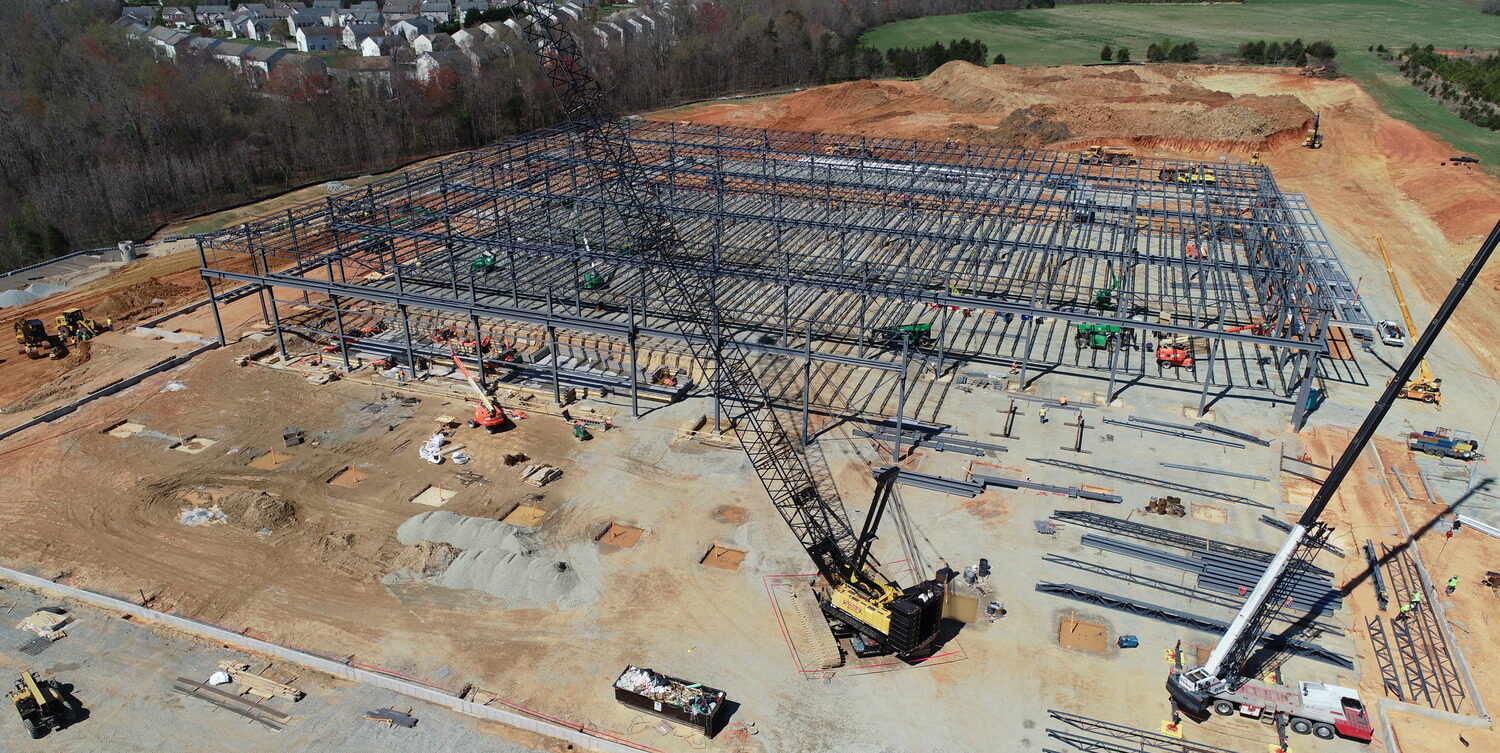
Managing the Schedule
Effective project management and scheduling are necessary to prevent trade stacking. If project managers don’t create and plan realistic schedules or sequence tasks properly, multiple subcontractors may be forced to compete for space and resources, wasting time and reducing productivity.
Project managers start by creating a detailed project schedule that outlines all construction phases and activities. They prevent overcrowding and workflow disruptions by implementing effective project planning, utilizing modern scheduling tools, and promoting clear and constant communication.
They break down the work into tasks, estimate the durations, and organize all the project tasks. Construction scheduling involves resource management, allocation of assets, task durations, deadlines, budgets, and other related costs.
Staggered work schedules, real-time progress tracking, and proactive contingency planning ensure trades operate efficiently without interfering with one another. Additionally, resource optimization principles can help minimize congestion and maintain steady progress so that projects cross the finish line on time and within budget.
“Our obligation is to get our trade partners and employees home safely at the end of each work day,” says Wysong. “If someone gets injured, that can have not only a negative impact on the culture and vision of the project, but the schedule can be affected. We want to provide the customers with the best version of their project, so safety on the jobsite always comes first.”
“Planning for safety before execution begins can help prevent incidents before they have a chance to happen,” adds Tidwell. “This sets the tone for the project, as well as the expectation around how the work will be performed.”
Implementing Safety by Schedule
Comprehensive planning improves safety by teaching workers how to use scheduling to make planning changes and reinforcing important safety guidelines. This requires a well-structured work sequence that minimizes trade stacking by only allowing the necessary trades into a given area at any time. When properly optimized, a project schedule can serve as a powerful tool to identify hazards and reduce safety risks on construction sites.
Technology can play a critical role in developing safety by schedule, but it is not intended to replace experience or take over the overall planning process. Several software platforms and resources are available to help streamline and maximize planning efforts, ultimately allowing for better collaboration and communication. For example, project management software helps create detailed schedules, track progress, and make operational adjustments as needed.
Regular site assessments are essential for confirming safety protocols, checking on resources, and making safety-by-schedule adjustments to prevent delays and bottlenecks. Visual planning tools such as Gantt charts can also help enhance planning and improve communication across teams. Data analytics can provide valuable insights regarding resource utilization and safety measures, enabling data-driven, real-time decision making that keeps the project on schedule and running safely. Open conversation with the trades is necessary for managers to clarify expectations and resolve any scheduling issues before the project starts.
“We can use these sophisticated tools—including safety by schedule—to help pave the way for safety protocols in the future,” says Tidwell. “By identifying trends, risks, and other issues on a more granular level, our planning is better informed and more effective. This helps us adapt more efficiently on our rapidly changing projects, as well as within our industry as a whole.”
Join Gray and construction professionals across the industry as we observe
Construction Safety Week 2026!
- Category:
- Industry
Some opinions expressed in this article may be those of a contributing author and not necessarily Gray.
Related News & Insights
Food and Beverage, Architecture
A Foundation of Safety and Efficiency
GrayWay, Industry
Construction Safety: A Necessary Commitment
Projects
May 03, 2017Distribution, Construction
Clemens Food Group and Gray Construction Celebrate 1,000,000 Safe Hours on New Michigan Facility
Corporate News
April 26, 2017