Sustainable Manufacturing Strategies for Advanced Technology Manufacturers
As sustainability becomes a key focus across industries, advanced technology manufacturers are finding new ways to reduce environmental impact while improving operations. This blog outlines strategies such as using digital tools, closed-loop design, and Lean principles to cut waste, optimize resources, and support long-term business and environmental goals.
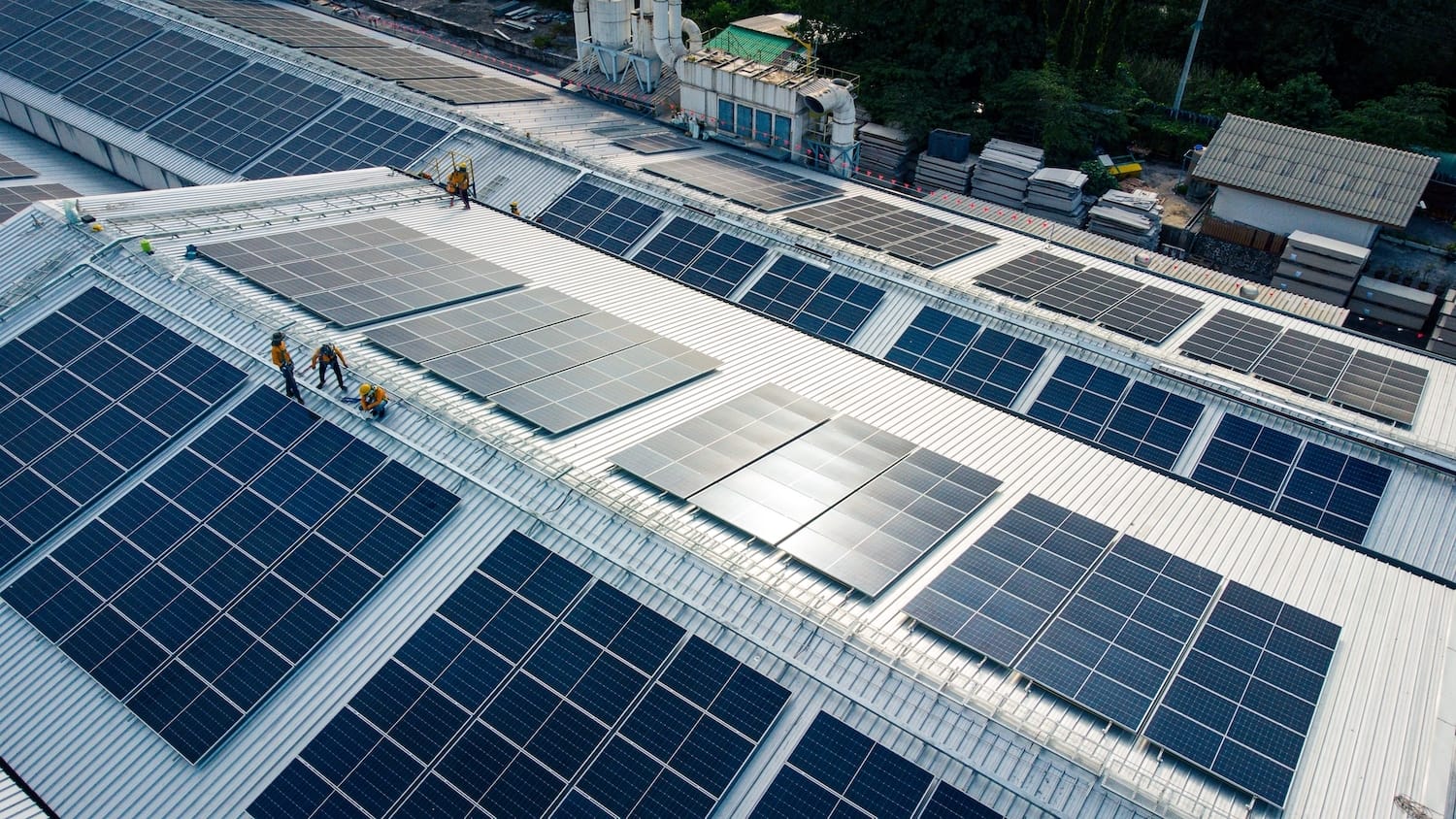
Sustainable manufacturing is an increasingly important goal for advanced manufacturers that want to implement solutions to combat global warming and climate change. These include increasing the effectiveness of recycling efforts, using more renewable energy sources, and improving operational efficiency to reduce their carbon footprint. Not only does sustainability help the environment, but it also builds a stronger corporate culture and brand image. This, in turn, attracts new customers who prioritize doing business with companies that share the same values. Below are some ways that advanced tech manufacturers are implementing sustainable manufacturing practices to reduce their environmental impact.
Invest in Silicon Recapture
Silicon kerf, or si-kerf, is a silicon waste product created in the wafer manufacturing process. Recapturing usable silicon from si-kerf holds incredible potential, but finding cost-effective, environmentally friendly ways to do so presents a big challenge for advanced industries such as solar energy, electronics, semiconductors, and data centers. The current method of silicon recovery involves breaking down the surface oxide layer with chemical treatments, releasing silicon. Impurities such as boron and other metals are then removed from the process and captured in a slag. Depending on the impurity levels, solar grade silicon can be recovered from this waste material and sold to manufacturers—the goal of a closed-loop recovery system.
“The silicon kerf waste market is one that is important for keeping operational costs down for advanced tech manufacturers,” says Brad Heberling, a project executive with Gray. “Hauling away kerf wastes without any financial recovery could put manufacturers in a bad financial position. Silicon kerf wastes are often sold to other companies in the metallurgical sector. Being able to sell these wastes to companies that can reuse this material provides benefits to manufacturers by recycling a greater volume of waste material.”
Implement Gray Process Water Systems
A “gray process water system” recycles wastewater from industrial activities such as cleaning, washing, laundry, and cooling and purifies it sufficiently for non-potable uses. Gray water at industrial facilities is commonly used for cooling towers, floor washing, toilets, boilers, vehicle washing, and landscaping.
“Recycling wastewater on site via a wastewater treatment plant can cost millions of dollars more than simply pretreating wastes before sending to the city,” says Heberling. “But the value of wastewater treatment is reduced consumption of incoming water from the city, thus reducing operating costs. Ultimately, advanced tech manufacturers must calculate the payback period to determine if cost savings from reduced utility use are worth the up-front cost of recycling water on site.”
Innovative water treatment solutions are available from third parties. For example, Epic Cleantec treats wastewater at commercial or industrial facilities on site using powerful equipment that occupies roughly 50 square feet of space. In another example, Enspired Solutions can eliminate dangerous “forever” PFAS chemicals in gray water by using a reductive defluorination process which can be retrofitted into existing water treatment systems. These types of innovations are especially valuable for conserving energy and water in facilities that both in large volumes.
Explore Innovative New Processes & Materials in Manufacturing Operations
In new or existing facilities, manufacturers can implement infrastructure upgrades and advanced materials and machinery that are designed to reduce waste, energy usage, and carbon emissions throughout the production process. For example, emerging perovskite technology may soon be considered a better environmental choice than silicon for solar panels because it is easier and less expensive to manufacture and has a lower environmental impact. It also does a better job of converting sunlight to electricity due to its broader light absorption spectrum.
Special industrial coatings can also limit the amount of pollution released during manufacturing processes. Compared to traditional solvent-based coatings, powder coatings do not require a solvent, thereby eliminating the release of volatile organic compounds (VOCs), which are harmful to the environment. Technologies for the recovery and recycling of overspray, especially from powder coating processes, can be automated to collect and treat excess powder and reintroduce it into the coating process—another closed-loop system.
Many of these elements can be integrated with AI (artificial intelligence), automation, and Internet of Things to create a “smart” manufacturing floor, including real-time monitoring of all machines. AI-driven 24/7/365 systems that analyze operational data are embedded into the equipment, making automatic adjustments to maintain top efficiency. Similarly, through the Internet of Things, sensors attached to equipment will notify operators when a machine is out of variance and needs maintenance or repair, thereby avoiding more serious problems down the road and reducing energy consumption.
Prioritize Resource Efficiency and Waste Reduction
As sustainability becomes central to competitiveness, advanced manufacturers are increasingly focused on optimizing the use of natural resources and reducing material waste. By rethinking how raw materials are sourced, processed, and reused across manufacturing operations, companies can reduce environmental impact while improving bottom-line performance.
Embracing green manufacturing principles means moving beyond compliance toward processes that are efficient and responsible. Whether through closed loop systems, advanced recycling technologies, or intelligent material sourcing, the goal is to maximize the value of energy and natural resources throughout the production lifecycle.
At the same time, proactive waste reduction initiatives such as material reclamation and scrap repurposing not only support sustainability goals but also help lower energy costs and reduce dependence on virgin materials. These strategies offer clear operational benefits and demonstrate a company’s commitment to responsible manufacturing.
Build Sustainable Supply Chains
The manufacturing industry can further broaden its sustainable influence by choosing to work with suppliers that share the same commitment to sound environmental practices. By using sustainable supply chain practices, these vendors can reduce their carbon footprints and optimize the efficiency of their supply chain processes. These include route load planning, route optimization, RFID tracking systems, eco-friendly packing materials, and smart, energy-efficient warehouses. For example, to meet the high consumption requirements of cold chain operations in Australia, DHL utilized automation and a smart power station to reduce carbon emissions, sending excess energy back to the national grid.
By teaming up with vendors that share the same commitment to sustainability, manufacturers can determine the best environmental strategies to increase efficiency, reduce cost, and improve service to their customers—all while boosting brand awareness and market share. These strategies can also help minimize negative environmental impacts while supporting long-term growth and resilience.
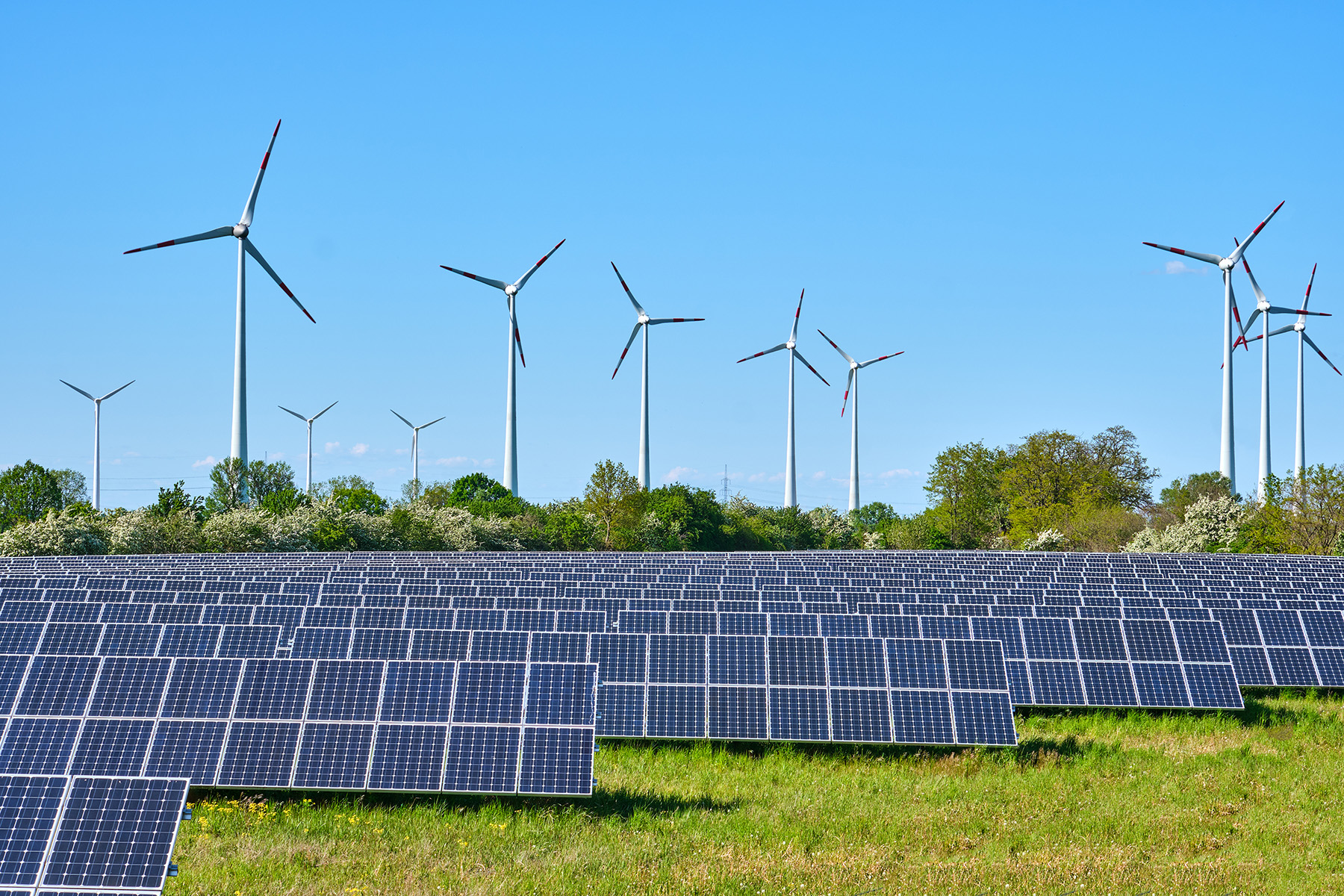
“Efficiency is what separates one manufacturer from the next,” says Heberling. “Because of this, manufacturers must stay on the cutting edge of technology and best practices. Opportunities to recycle, improve waste handling, and lower utility consumption are always in high demand, especially if they reduce operational costs and boost market share.”
As advanced technology manufacturers continue to innovate, their commitment to energy efficiency and responsible production is driving meaningful progress across the industry. The creation of high-quality manufactured products through smarter, cleaner methods supports economic growth and positions companies as leaders in environmental responsibility. By investing in forward-thinking sustainability initiatives, manufacturers can strengthen their operations, improve competitiveness, and help build a more resilient future for both business and planet.
- Category:
- Industry
- Advanced Technology
Related News & Insights
Manufacturing
Sustainable Manufacturing Creates a Culture of Caring
Industry
Manufacturing, Construction
Solar-Plus-Storage: Key Systems to Reach Sustainability Goals, Perform Industrial Processes
Industry
Manufacturing, Design
Supply Chains Strive to Be Secure, Smart, and Sustainable in 2021
GrayWay