Innovations in Renewable Energy Tech
Demand for renewable energy sources is accelerating. Driven by corporate sustainability goals and increasing power needs to support technologies such as AI, industry leaders are aggressively developing innovative alternatives to first-generation renewable tech. Promising developments in solar, battery, and energy storage technologies may prove essential not only for expanding energy options but also for helping the world produce energy in cleaner and more efficient ways.
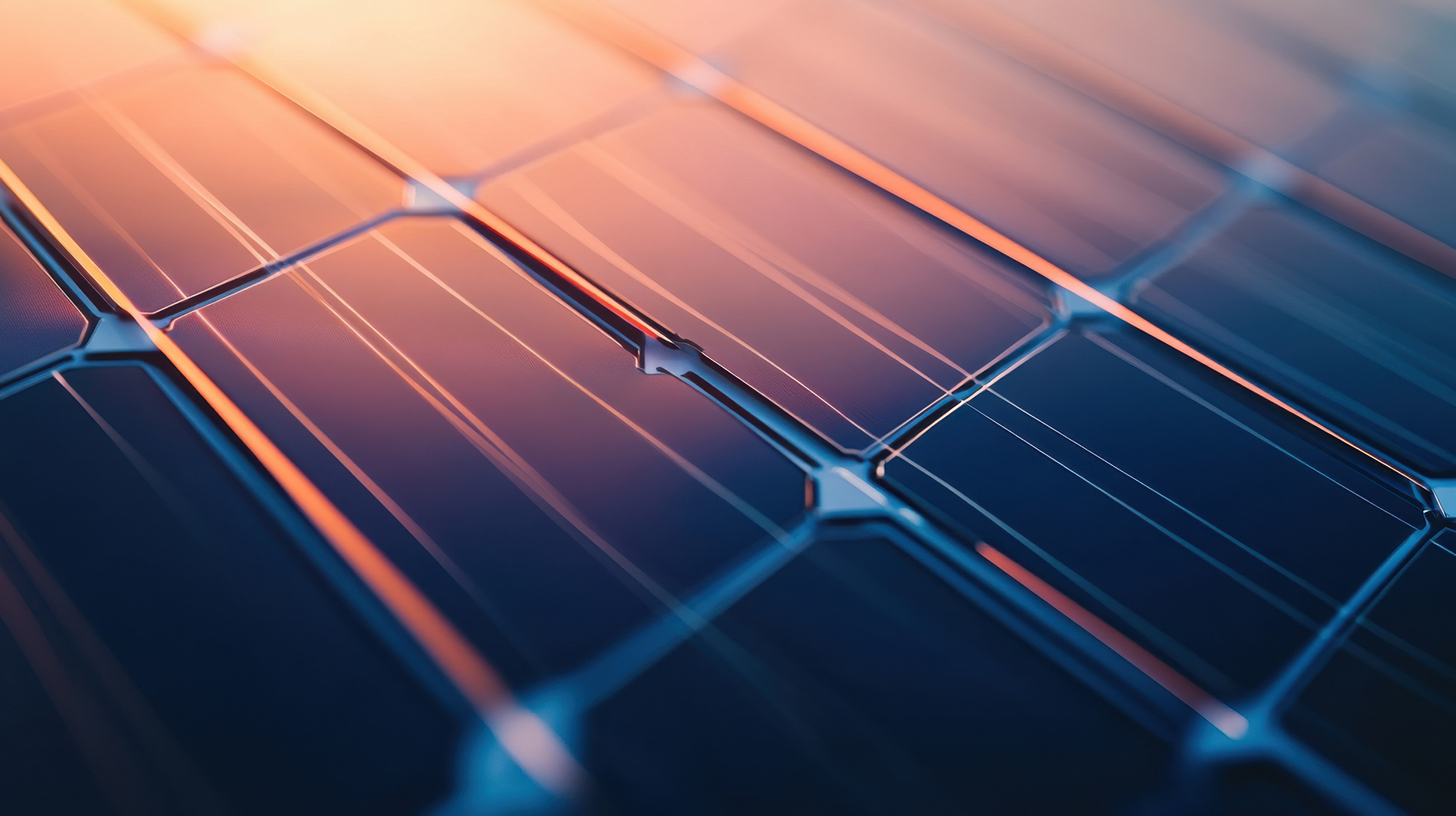
Solar: Breaking Energy Efficiency Barriers
Perovskite/silicon tandem cells combine traditional silicon cells with perovskite layers that capture different parts of the solar spectrum. While standard silicon cells operate at about 24% efficiency, tandem cells have surpassed 30% efficiency in recent lab testing. Solar panels created with these cells could be cheaper to produce, more flexible, and lighter than traditional silicon photovoltaics (PV), which would reduce end-user barriers to adopting solar. The market for this technology is expected to grow over the next decade, though long-term durability remains to be proven.
Bifacial panels leverage traditional PV technology but collect light on both sides of the panel, capturing direct sunlight and reflected light. This design has been shown to increase energy production by 9% (and potentially even higher under favorable site conditions), making better use of available space, which is advantageous for residential and commercial solar applications.
Smart solar inverters do more than convert DC to AC electrical energy; they help optimize and stabilize the energy supply by balancing voltage and adjusting power output. These capabilities could significantly improve the resilience of distribution grids and enable better integration of intermittent renewable sources such as wind power.
Batteries: Beyond Lithium-Ion
The limitations and disadvantages of lithium-ion batteries have been well documented over the last quarter century: heavy reliance on rare earth minerals, thermal runaway risk, and energy density constraints, all of which have driven research into alternatives:
Graphene batteries offer a major advantage over lithium batteries due to their carbon-based composition. Carbon is not only more abundant than lithium; it can also be gathered from a wider range of material sources and manufactured using a variety of methods. Graphene batteries may also present a lower fire risk than lithium, as well as increased storage capacity and lifespan. Cost is currently a major hurdle to implementing graphene batteries, but their benefits and transformative potential are motivating companies to invest in graphene battery R&D for consumer electronics, electric vehicles, and beyond.
Solid-state batteries are another viable alternative to lithium-ion technology. They’re already in use in some devices such as pacemakers and wearables. However, success at bringing this technology into mass production for EVs and other mainstream technologies remains elusive.
Batteries made with substituted elements use more readily available or more stable chemicals and metals compared to lithium-ion batteries, but also present challenges that must be overcome before a sector-wide shift in production model can occur.
- Lithium-sulfur batteries need better stabilization to provide long battery life
- Sodium-ion batteries have a size and weight disadvantage, but can be used in some applications
- Zinc-ion batteries face challenges such as short-circuiting risks and side reactions
- Iron flow batteries require large electrolyte tanks, which makes them bulky; but they are being developed for utility-scale implementations. The Sacramento Municipal Utility District has already partnered with iron flow battery specialist ESS Tech, Inc. to deliver iron flow long-duration energy storage systems.
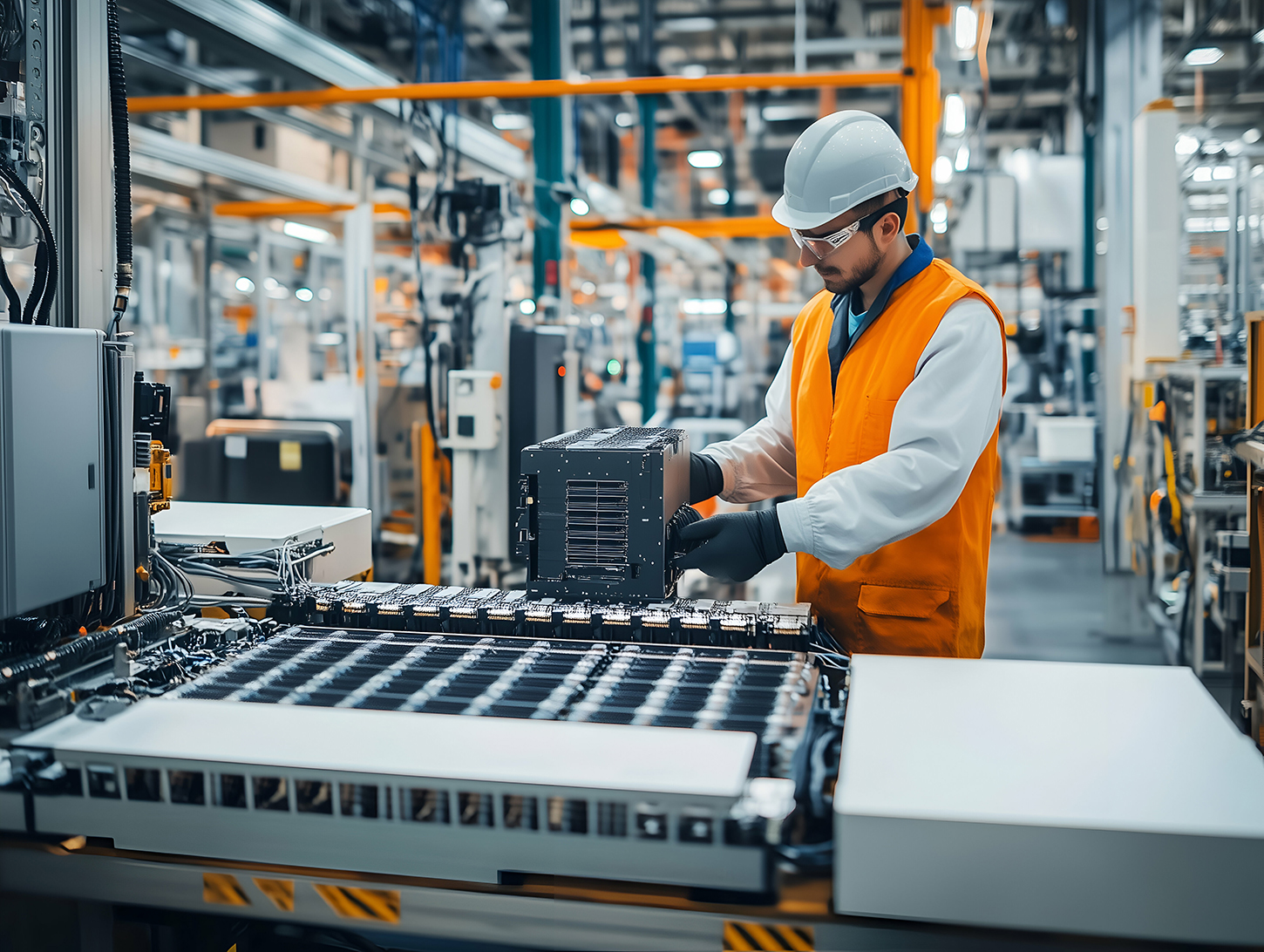
Alternative Energy Storage: Beyond Batteries
While pumped storage hydropower accounts for the majority of stored energy capacity in the U.S., battery energy storage systems are gaining. The U.S. Energy Information Administration (EIA) forecast that 18.2 GW of utility-scale battery storage will be added to the grid in 2025. This growth reflects a booming energy storage market that’s responding to the urgent need for flexible, sustainable solutions.
As energy demand grows, so does the need for diverse storage solutions that can counterbalance geographic limitations, accommodate the variability of renewable power, and reduce pressure on grid stability.
Alternative long-duration energy storage systems (LDES) can store electricity for 10+ hours. Methods such as thermal and iron flow show excellent promise; however, these require complex systems with significant investment. McKinsey estimated that by 2040, LDES deployment could result in the avoidance of 1.5 to 2.3 gigatons of CO2 equivalent per year, or around 10 to 15 percent of today’s power sector emissions.
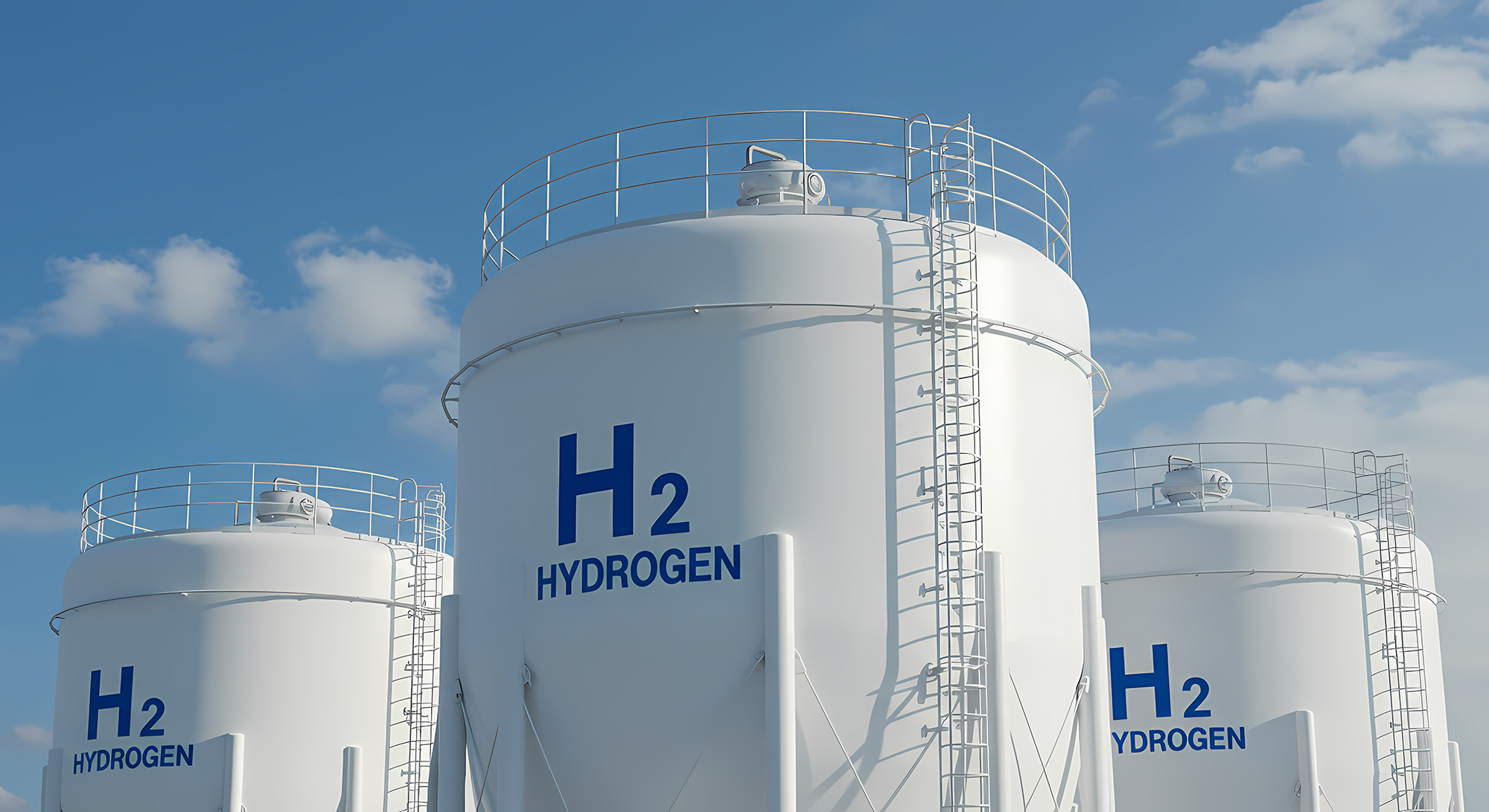
Other alternatives include hydrogen storage, which offers high energy per mass but requires high-pressure or low-temperature tanks for hydrogen gas and liquid, respectively. This technology shows excellent long-term storage potential for industrial and transportation applications; however, this technology has complex infrastructure and energy costs.
Hydrogen storage isn’t the only option for large-scale needs. Compressed air energy storage (CAES) uses excess electricity to compress air, which is later released to generate power. It offers long-duration storage potential, especially in regions with suitable geology.
The capability of supercapacitors to ensure power quality and provide frequency regulation, along with their low energy density, makes them useful in hybrid energy storage systems for critical infrastructure and off-grid remote facilities.
The Path Forward for Energy Technologies
The EIA forecasts that more than half of the 63 GW of new utility-scale electricity-generating projects in 2025 will come from solar PV. This forecast shows the accelerating transition toward renewable energy resources.
Despite challenges, ongoing innovation across solar power, battery, and storage systems is building a strong foundation for the renewable energy sector’s future. Success will depend on research and development to address limitations, along with supportive regulations and market structures that value the benefits these technologies offer. As they mature, this new wave of renewable energy innovations promises to support a more resilient, efficient, and sustainable energy system.
- Category:
- Industry
- Advanced Technology
Related News & Insights
Advanced Technology, Construction
Navigating Innovation and Sustainability in the Solar Cell Industry
Industry
Manufacturing
A Clean Sweep in the Energy Sector
Industry
Manufacturing, Construction
Solar-Plus-Storage: Key Systems to Reach Sustainability Goals, Perform Industrial Processes
Industry