How Digital Is Too Digital?
Why digital transformation in manufacturing industry processes requires more strategy than technology
Manufacturing companies are under constant pressure to modernize to stay competitive. The hallmarks of success are accuracy, consistency, and speed. These outcomes are exactly what manufacturing digital transformation projects promise: updating digital systems, using predictive analytics, and automating production processes results in operational efficiency, so they say. Consequently, businesses rush to adopt cloud computing, data analytics, predictive maintenance, machine learning, industrial internet of things (IIoT), digital twins, advanced robotics, and—lest we forget—artificial intelligence. Even so, larger digital investments don’t guarantee higher performance. A plant can be highly digitized and still struggle with unreliable data, isolated applications, error-prone interfaces, unclear ownership, and untrained operators.
Every new sensor, dashboard, and MES subscription begs the question: How much of this is actually helping the manufacturing process and factory floor, and how much is quietly working against it?
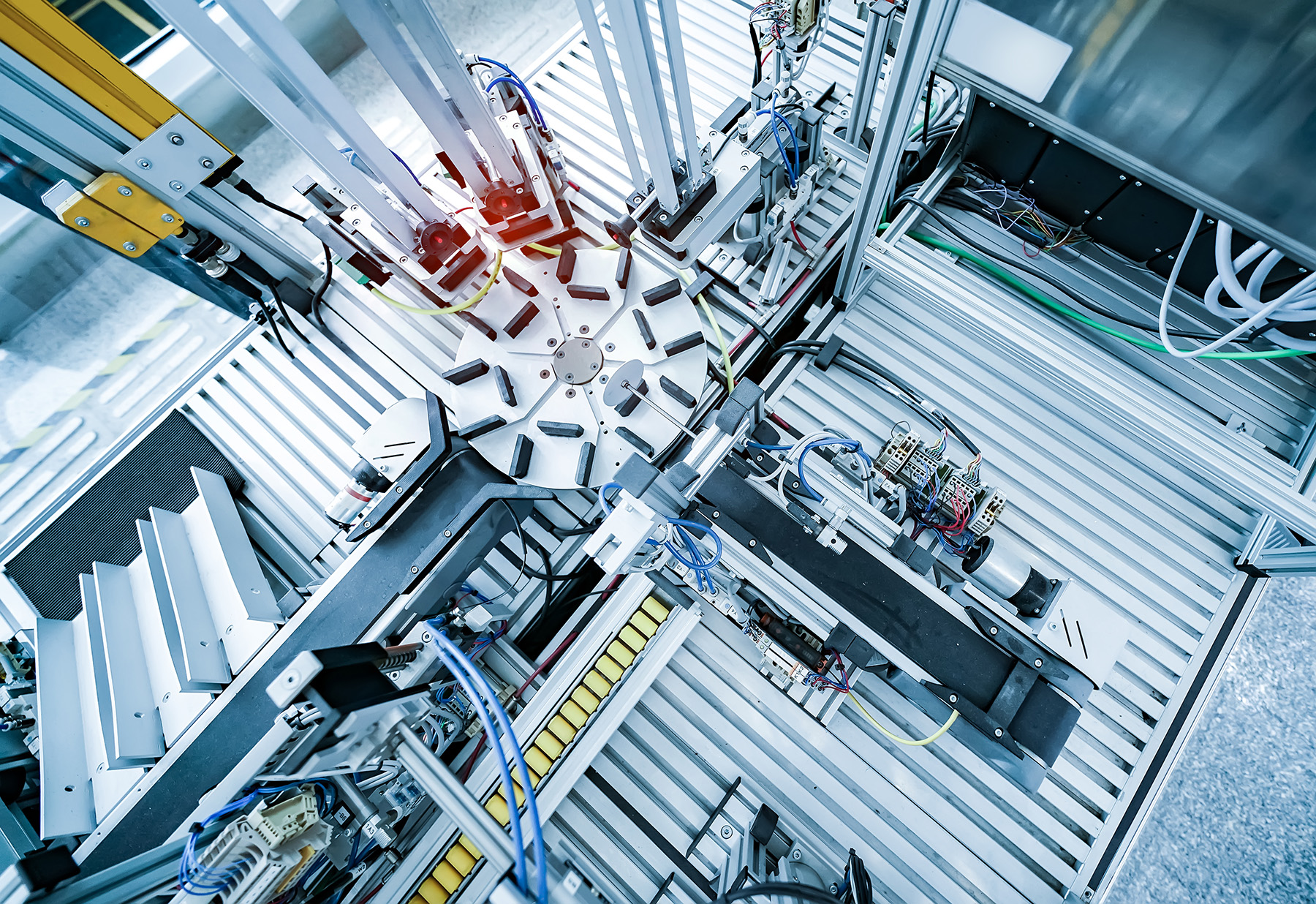
Across the manufacturing sector, many organizations are adopting digital technology and automated systems without fully understanding how those systems will integrate with existing manufacturing operations, or whether they support long-term business goals at all. The focus is often on broad benefits: automate repetitive tasks, gain insights from real-time data, improve efficiency. But the result is a pattern worth examining closely, in which digitalization creates more complexity than value. In such instances, the problem is not too little digital transformation, but digital transformation pursued without a substantial enough strategy to support it.
The Hidden Cost of a Disconnected Digital Transformation Journey
At its best, the digital transformation process is the deliberate integration of equipment, controls, software, data, and human workers to improve how a business makes decisions and delivers value.
For most manufacturers and distributors, digital transformation initiatives don’t manifest as a single deliberate project, but piecemeal. Problems arise when the acquisition of advanced technologies becomes the MO rather than part of a strategy for achieving operational transformation. A new MES module here, a cloud-connected sensor package there, and a vendor dashboard layered onto an outdated system all look reasonable individually. Collectively, without a unifying architecture connecting information technology (IT) and operational technology (OT), these additions can create exactly the fragmentation they were meant to solve.
“Fragmented systems are no longer an IT inconvenience; they are a structural risk to performance,” says Max Liashenko, Head of Services at manufacturing technology firm OLSOM, in a 2026 interview with Manufacturing Digital. Most manufacturers, he notes, are still running critical production on disconnected tools and spreadsheets, leaving operations exposed to fragmented data and unnecessary cybersecurity risk.
A lack of workforce adoption compounds the problem. Digital tools introduced without training processes or frontline input become misunderstood and underused or bypassed entirely, no matter how capable the technology itself may be. The pressure to course-correct is steadily growing: nearly half of manufacturers already struggle to fill production and operations roles, according to Deloitte research cited by Manufacturing Digital, meaning institutional knowledge is retiring faster than new technologies can capture it.
Quieter failures in manufacturing efficiency rarely make headlines. The more visible ones do. Ransomware that spread from office IT into production forced Norwegian aluminum producer Norsk Hydro into weeks of manual operation in 2019, ultimately costing the company more than $70 million. A 2023 breach of third-party-managed IT infrastructure disrupted manufacturing at Clorox for months, contributing to product shortages and later a $380 million damages claim against that vendor. And a cyberattack on Jaguar Land Rover in late 2025 halted UK vehicle production for roughly five weeks and rippled through more than 5,000 supplier organizations—what the UK’s Cyber Monitoring Centre called the most economically damaging cyber event in British history, at an estimated $2.5 billion.
Different companies, different technologies, same underlying gap: Each had integrated systems without a strategy built to contain what happens when something goes wrong or to ensure the investment pays off when new digital solutions meet legacy operations.
Building a Framework for Successful Digital Transformation
The organizations getting more value out of their digital transformation efforts treat projects as infrastructure planning first and technology selection second. The process starts with legacy integration. Rather than replacing systems wholesale, leading manufacturers are shifting toward modular, API-driven architectures that connect new tools to existing equipment incrementally, evolving the system without disrupting manufacturing production. Realistic returns, industry analysts note, often appear within six to twelve months. Vendors promising instant, sweeping transformation without a clearly defined integration plan are underprepared at best.
Cybersecurity governance deserves the same deliberate treatment. Manufacturing has been the most targeted sector for cyberattacks for four consecutive years. According to Dragos’s annual OT Cybersecurity Year in Review, ransomware incidents aimed at industrial organizations climbed sharply again in 2025.
Research published in May 2026 reported that industrial organizations accounted for 30% of ransomware activity over the preceding 12 months. “When OT systems are disrupted, the impact goes far beyond data loss,” warned Ray Robinson, OT director at NCC Group.
The organizations weathering these threats best tend to share similar characteristics:
- They treat network segmentation as foundational rather than aspirational, following frameworks like ISA/IEC 62443. Isolating control systems into zones limits how far a single intrusion can travel.
- They maintain an accurate, current inventory of every connected device. Equipment added at the plant level without IT’s knowledge is one of the most common blind spots.
- They assign clear, shared accountability for the risk.
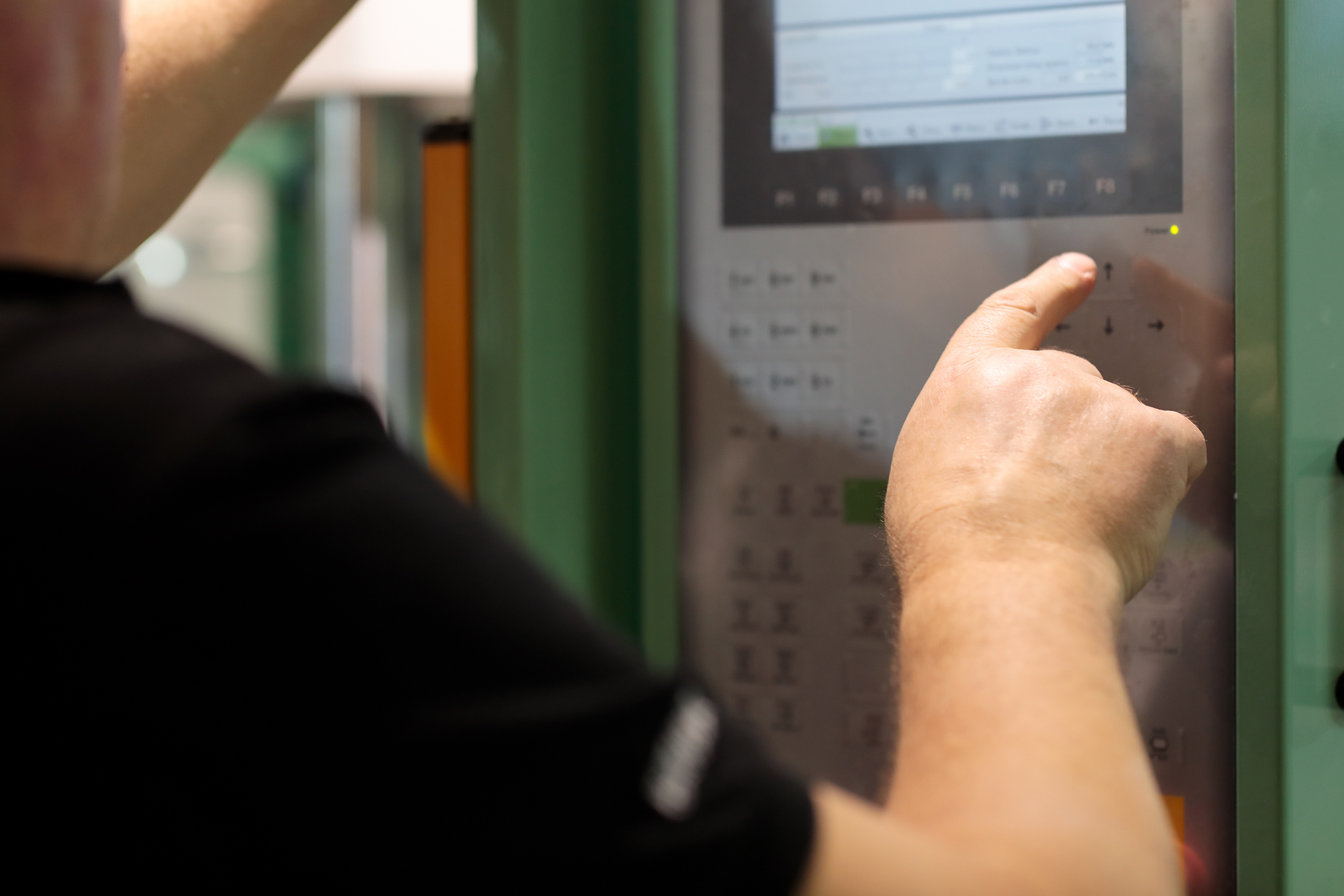
Fortinet’s 2025 State of Operational Technology and Cybersecurity Report found that responsibility for that risk is increasingly moving to the C-suite. According to the report, organizations further along in this transition face measurably fewer serious incidents.
Just as executive leadership oversight matters, workforce adoption requires equal investment at the ground level. Involving frontline operators and supervisors in tool selection and process redesign, rather than presenting digital changes as already decided, improves how practically and effectively new systems are used and reduces the resistance that stalls many well-funded and well-intentioned initiatives.
None of these best practices can be implemented without time to plan and a budget to execute. Integration, training programs, and monitoring are ongoing pursuits and require involvement from engineering, IT, and operations from the earliest stages to data analysis.
Systems Integration: Turning Separate Tools into One Cohesive System
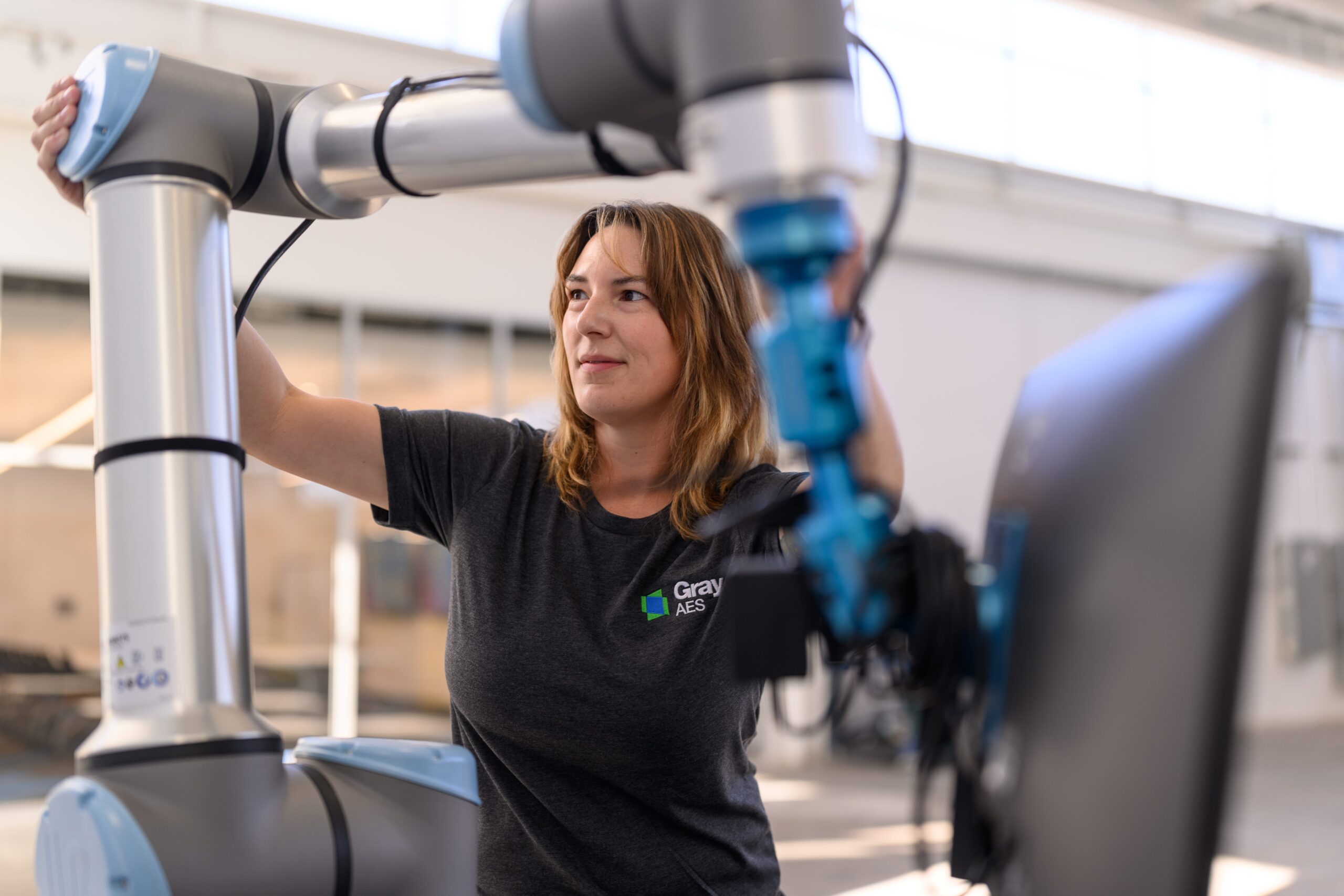
Closing gaps requires a partner capable of thinking across the entire lifecycle of a facility. The best industrial systems integration (SI) partners bring preliminary design and engineering, controls integration and network architecture, programming, commissioning, and startup support together under one coordinated plan, rather than treating each phase as a separate vendor relationship handed off along the way. Coordination is key, as each discipline has a role in creating an effective, interconnected system.
An experienced systems integrator takes key technologies that often arrive as disconnected point solutions—data analytics and cloud computing, artificial intelligence and machine learning, industrial internet sensors and digital twins—and transforms them into one cohesive system. In this arena, the SI partner’s breadth of knowledge matters: a technically correct component can still fail to create value if it does not fit the process, facility, workforce capabilities, or upstream and downstream systems.
In day-to-day operations, a holistic system supports real-time advanced analytics analysis on the plant floor, uses predictive maintenance to identify equipment issues before they cause downtime, and executes quality control processes that catch defects earlier and more consistently than manual inspection alone.
Equally important is what happens after startup. A qualified integrator plans for a customer’s long-term success, building in flexibility for future equipment and technology, integrating cleanly with legacy systems, and staying engaged well beyond commissioning to ensure today’s solution doesn’t become tomorrow’s constraint.
This is the range of work Gray and Gray AES take on across the industrial landscape and manufacturing environment,, from greenfield facilities engineered at the outset for full automation and integration to brownfield renovations that infuse digital capabilities into plants built decades before Industry 4.0. It also includes more discrete work: targeted process modernization, production expansions paired with controls updates, and equipment replacement projects with zero downtime. Working as a partner-agnostic integrator across platforms, Gray AES builds each solution around what the customer’s operation needs, rather than a predetermined stack.
Learn more about Gray AES’ automation solutions.
“Gray AES helps manufacturers connect automation, systems, and internal operations to improve visibility, performance, and long-term scalability,” says Drew Goodall, president of Automation at Gray AES. Dowell Hoskins, CEO of Gray AES, describes the objective in equally practical terms: “With decades of combined experience in design, engineering, and automation, we are here to help our customers solve their toughest problems.”
Not How Much, but How Well
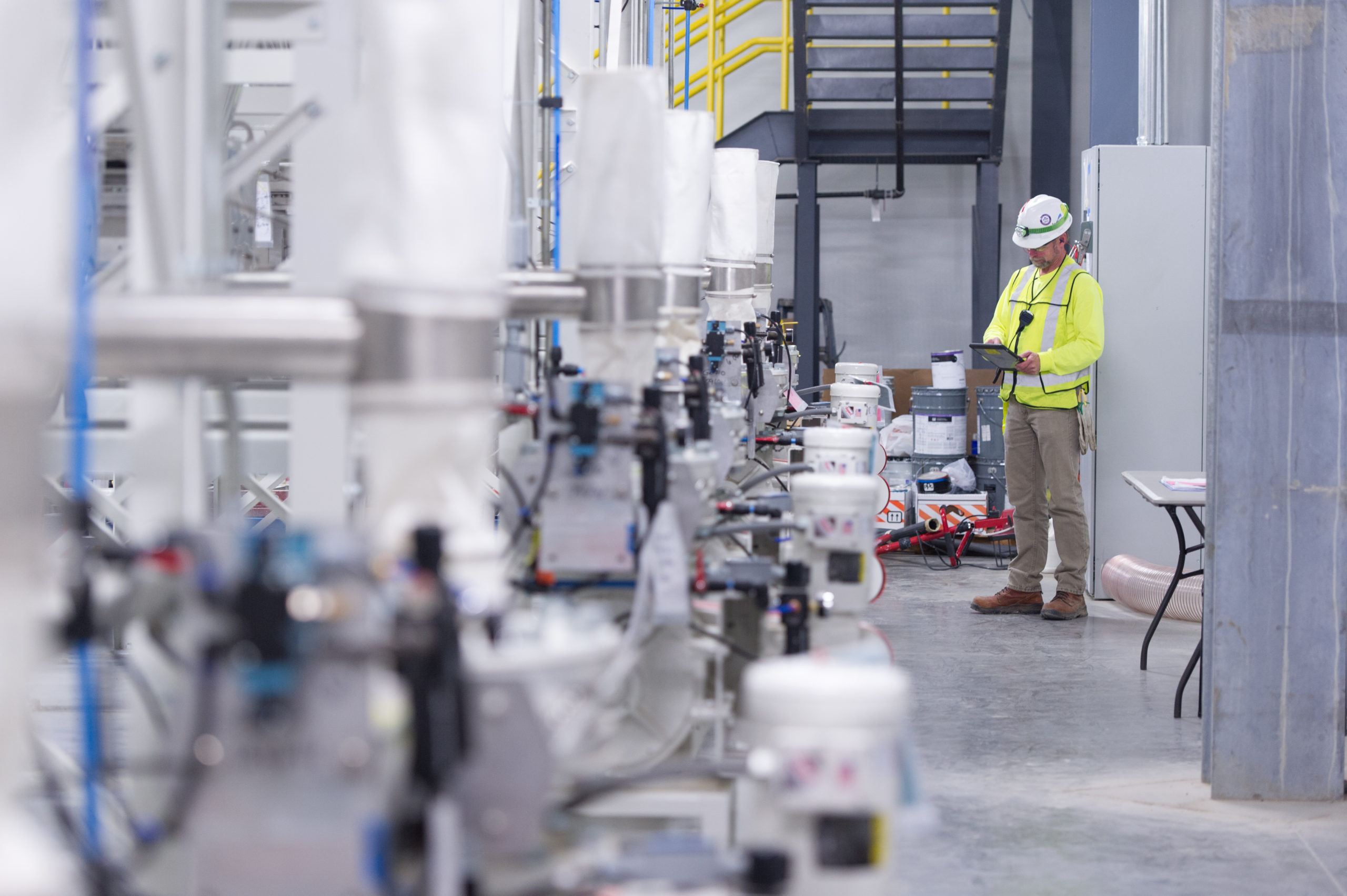
Successful digital transformation in manufacturing requires leveraging digital tools alongside a defined and deliberately implemented plan. The difference between a competitive advantage and a costly vulnerability rarely comes down to which technology was chosen or how high the capex/opex budget. For business leaders weighing their next project, establishing a realistic strategy with clear metrics for success is a conversation worth having early and with a partner who has had it before.
Related News & Insights
Digital Transformation Keeps Manufacturers at the Forefront of Technology
Industry
Manufacturing, Construction
Ecosystem Partnerships: Made Stronger through Industry 4.0’s Digital Transformation
Industry
Strengthening the Industrial OT Landscape Through Cybersecurity
Industry
November 01, 2024