From Passion to Purpose: George’s Story in Ghana
At Gray, inclusion isn’t just a value; it’s a lived experience that shapes careers, communities, and lives. George Donkor’s journey from Ghana to Kentucky, and ultimately to a fulfilling career in architecture, is a powerful testament to how personal purpose can flourish in a workplace that values belonging. Inspired by a childhood vision of using design to help displaced families, George found not only professional growth at Gray but also the freedom to pursue meaningful impact beyond the office. His story reflects the heart of Gray’s culture: a place where team members are empowered to build the careers and the lives they envision.
A Vision Born in Ghana
George’s story begins in Ghana in the early 1990s, a time when several civil wars and major internal conflicts took place across Africa. George remembers seeing war coverage with images of displaced families on the news, “I’d see families walking miles and miles in search of shelter,” he recalls, “that’s what inspired me to get into architecture. It didn’t matter that they lived in different countries from me; I wanted to help my brothers and sisters.” From that moment, he began sketching ideas for shelters. As he grew older, George started taking science and technology courses with an emphasis in technical drafting.
George moved to the U.S. in the early 2000s to join his parents and enrolled in a 2-year program at what is now Bluegrass Community and Technical College, then finished the rest of his studies at Savannah College of Art and Design. “I actually wrote my thesis on multi-family housing in Ghana,” George recalls traveling back to Ghana in 2009 to research and identify a site for a multi-family affordable housing project that included a technology center in its design, with hopes to travel back to Ghana in the future to build it.
Finding a Home at Gray
After college, George moved back to Lexington in search of a career. That’s when he found Gray. “My time here at Gray AES has been a roller coaster ride of growth,” George explains. He joined Gray AES as an architectural technician with a goal of becoming a registered architect. George achieved that goal, joining a population in which Black or African Americans make up only 6%, according to the National Council of Architectural Registration. “It was tough, and it took years for me to become a registered architect, but there were individuals at Gray who supported me and really pushed me to get to where I am now.” Throughout his time at Gray AES, George has been continuously struck by the caring culture that Gray fosters. “It’s something that has stuck with me from the very beginning, Gray’s flexibility and support,” George recalls the support he felt to pursue his dreams both within and outside of his work.
Giving Back Across Borders
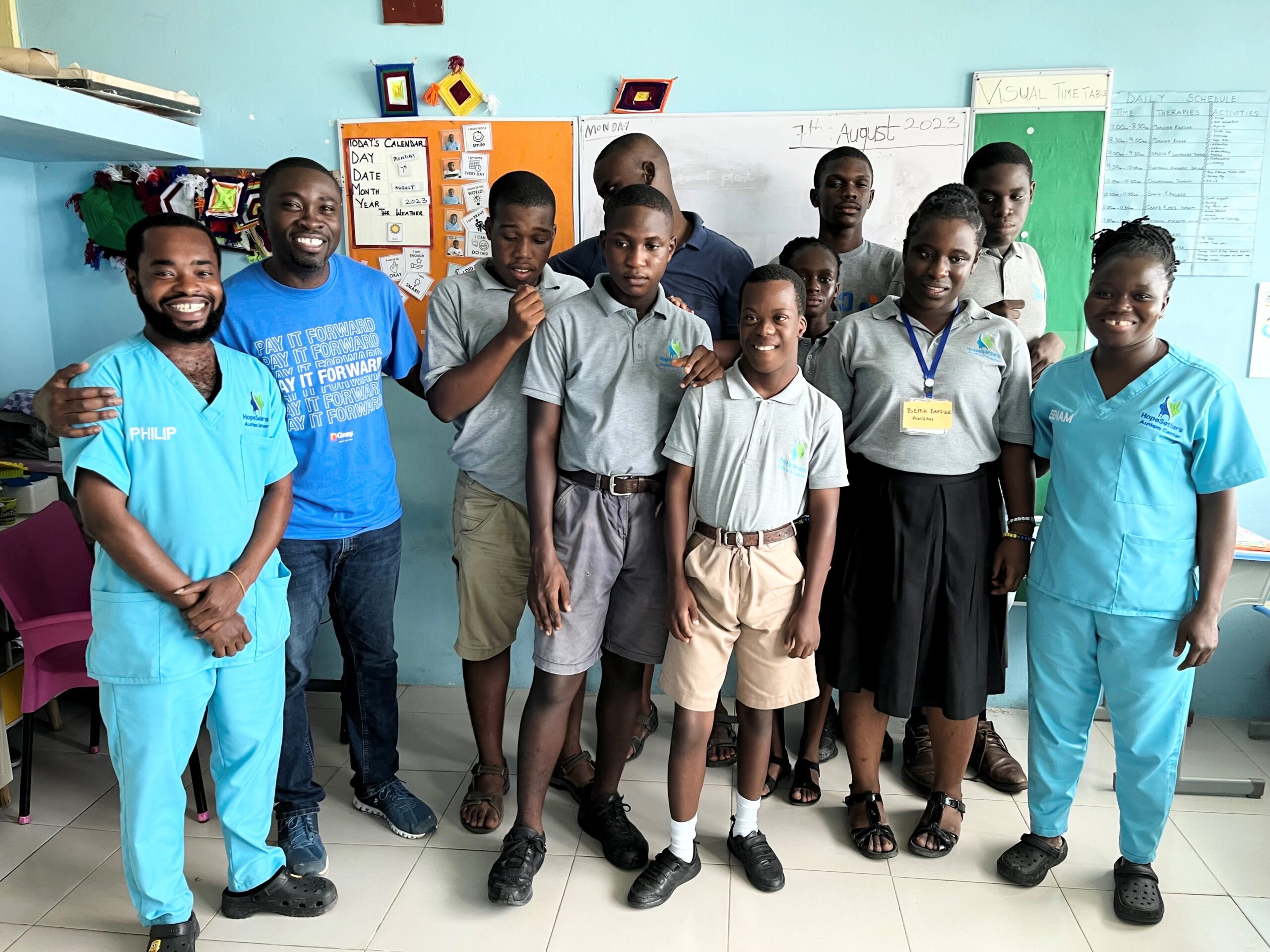
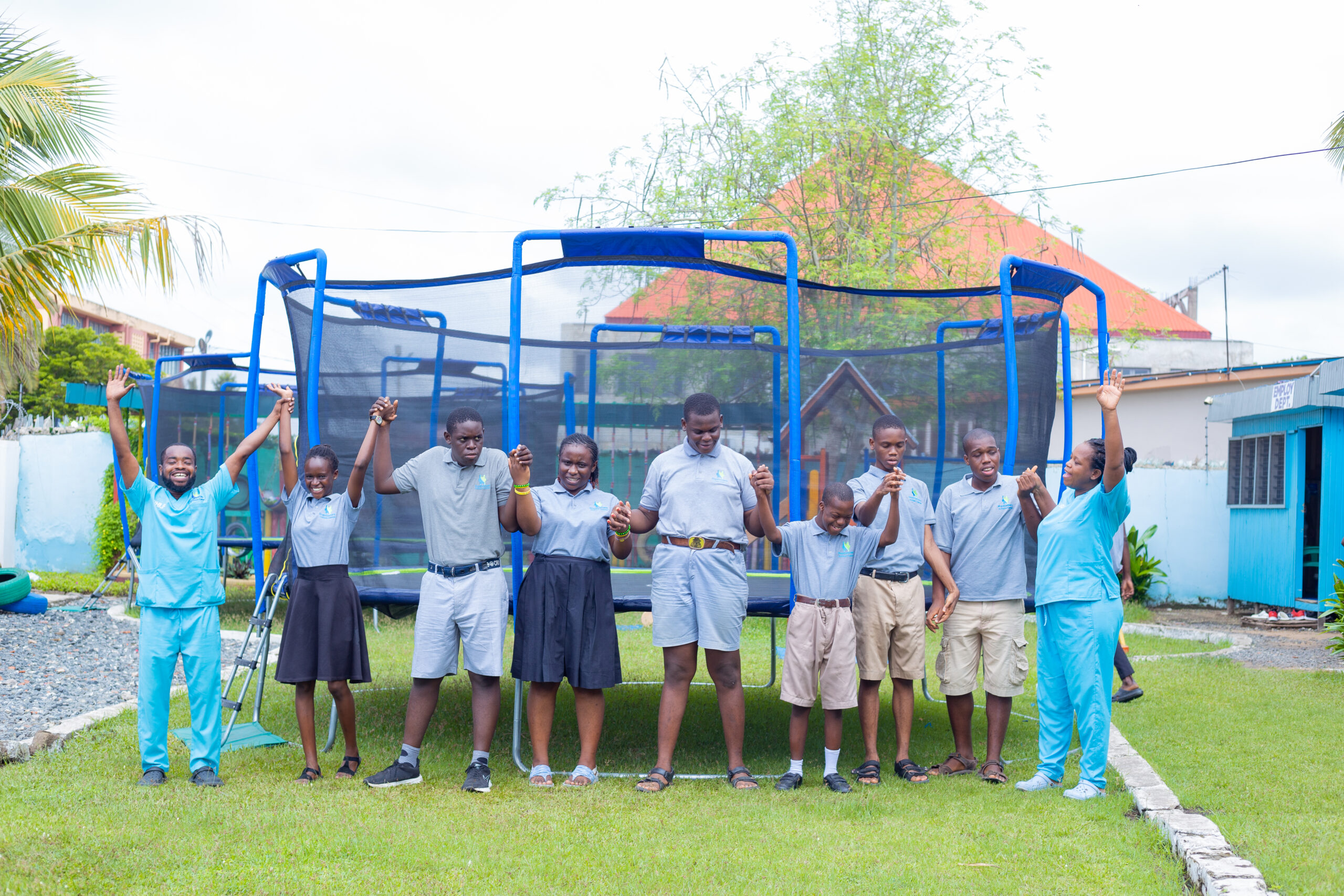
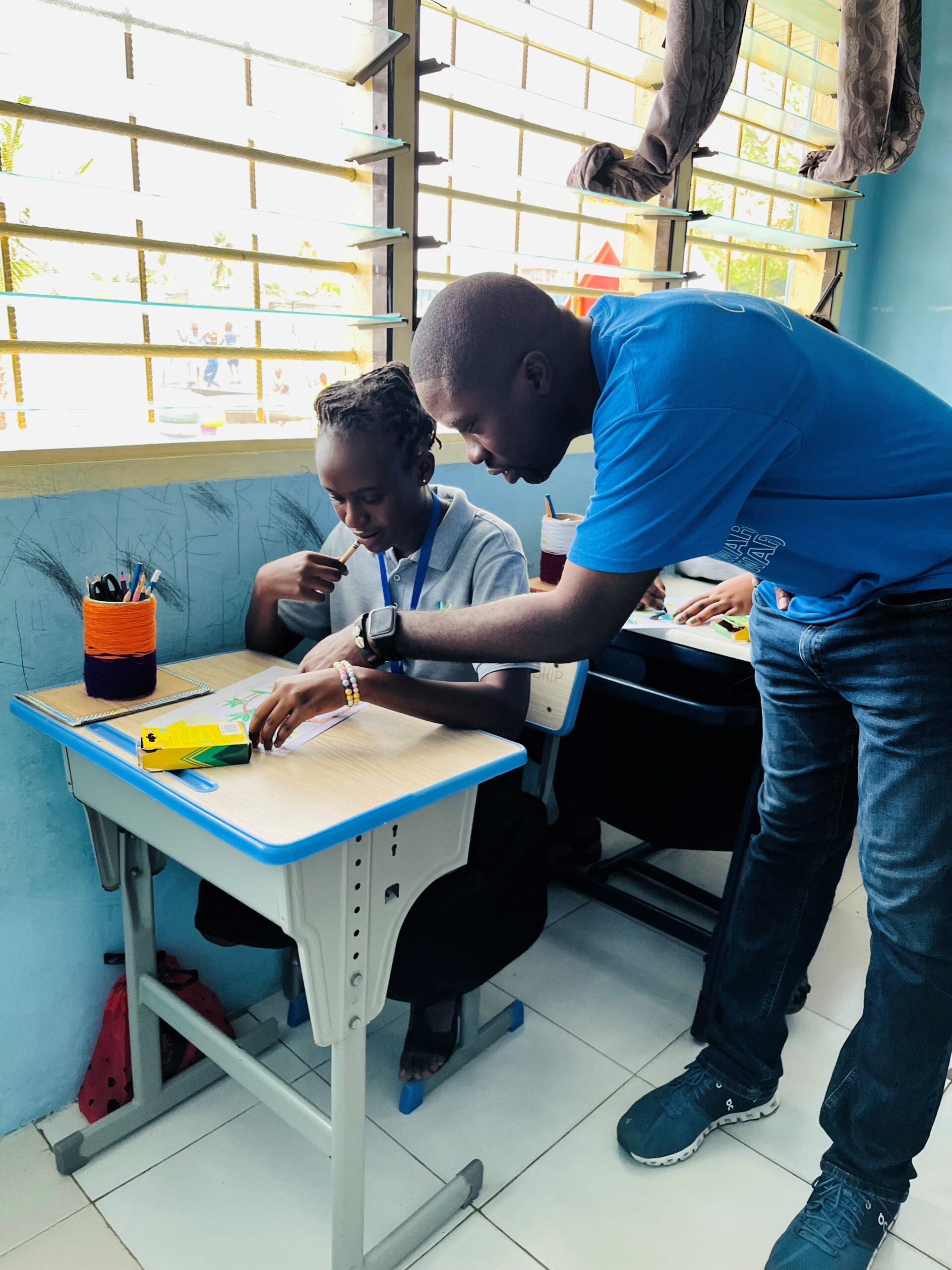
Even as George builds his career at Gray, his heart remains closely tied to Ghana. His dedication to making a difference back home is supported by Gray’s culture of service, especially through initiatives like Pay It Forward Day—a tradition at Gray AES that encourages team members to spend a day giving back to their communities. When George traveled to Ghana three years ago during Pay It Forward Day, he chose to volunteer at Hope Setters, an autism center. After learning that the center hoped to provide trampolines for the children, George shared their story with his team at Gray. Together, they raised funds and purchased the equipment, which was shipped and installed at the center. This experience reflects not only George’s enduring commitment to his roots but also Gray’s willingness to support team members in creating meaningful impact wherever they call home.


A Culture of Inclusion
Moving to another country and acclimating to a new culture can be a complex challenge. As George thinks back to his own experience, he emphasizes the importance of seeking mentorship and support, particularly for minorities and people of color. George offers advice he wishes he could give his younger self: “Do not be afraid to speak up, to ask questions, or for help.” He also highlights the significance of having a clear vision for the future and actively working towards achieving it.
George’s path reminds us that inclusion is more than representation; it’s about creating space for every team member to be seen, supported, and inspired. Whether through mentorship, community outreach, or simply showing up for one another, Gray continues to foster an environment where people can thrive as their authentic selves. As we look to the future, stories like George’s challenge us to keep building, not just structures, but a culture rooted in respect, opportunity, and the belief that everyone deserves a place to grow.
- Category:
- Stories