Why Industrial Projects Should Align Design & Construction Early
When you think of an industrial project, you probably picture a bustling jobsite brimming with workers, heavy machinery, and a mass of materials. It’s a scene we can understand: the ruggedness, the complexity, the action. So that’s what an industrial project is, right?
Yes and no. While jobsite coordination and execution are some of the most critical and visible components, industrial projects are more often defined by what happens before construction begins.
Long before concrete cures, steel is erected, or equipment is installed, critical decisions have already shaped key project outcomes. Site selection, scope definition, permitting, procurement, budget validation, utility planning, design coordination, and strategies for labor and long-lead materials all determine on the front end of the project whether construction can progress smoothly. But this doesn’t mean that construction doesn’t have a role in the early stages. By integrating construction expertise and activities into this crucial project phase, industrial businesses and their project partners can achieve faster completion and higher quality at a lower cost.
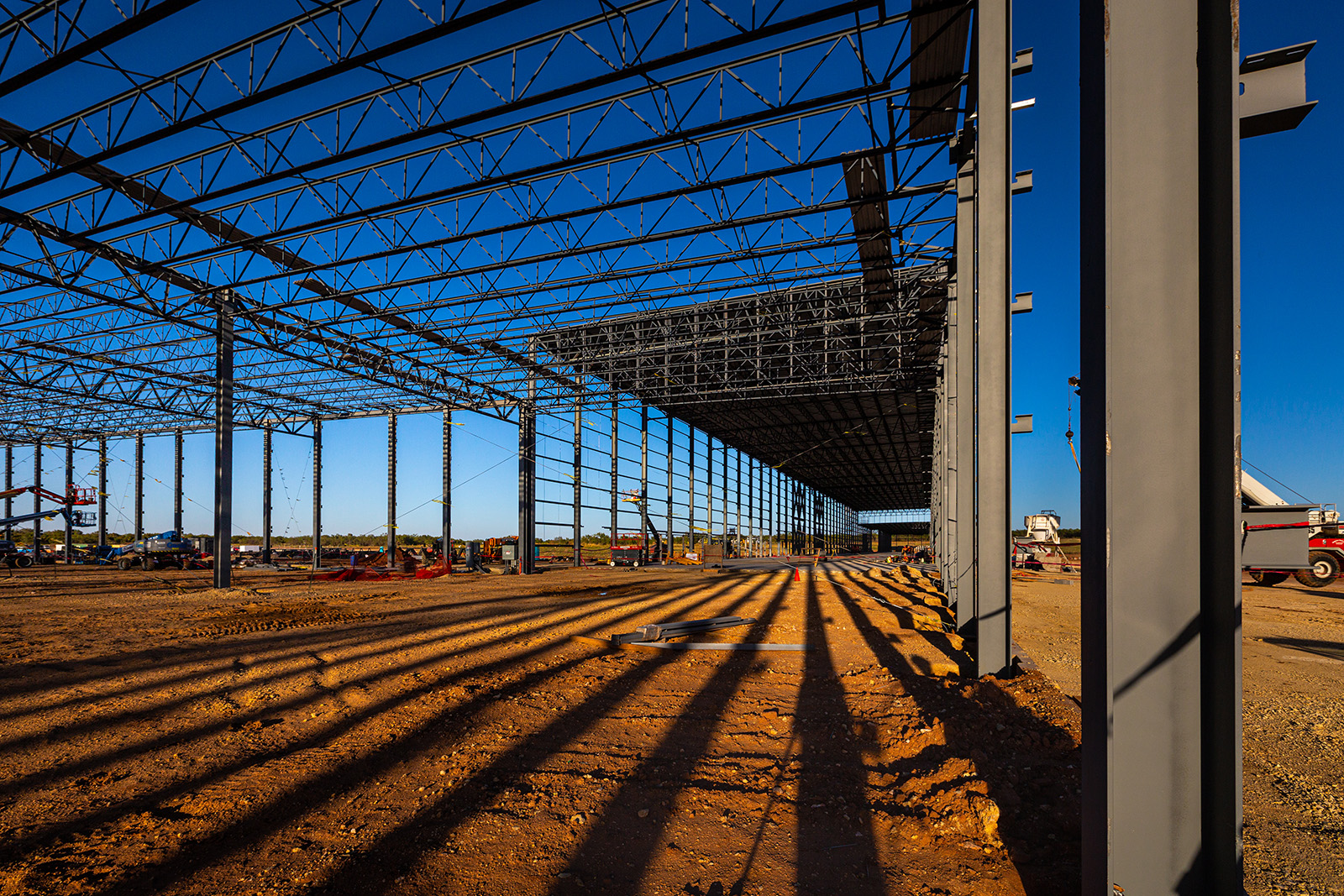
For manufacturers, processors, distributors, data center operators, and industrial developers, speed to market is imperative. New facilities and expansions are often tied to production commitments, customer demand, hiring plans, and broader business growth. Yet project schedule compression can’t be achieved simply by asking teams to move faster during construction phases. It must be built into the project from the beginning with an appropriate delivery method, adequate resource allocation, and carefully planned overlap.
For this reason, early contractor involvement has become a pillar of successful project planning. When construction expertise enters the process sooner, teams can make informed decisions earlier, reduce risk and rework, and create a more predictable path from concept to operation.
Early Contractor Involvement Promotes Complete Understanding
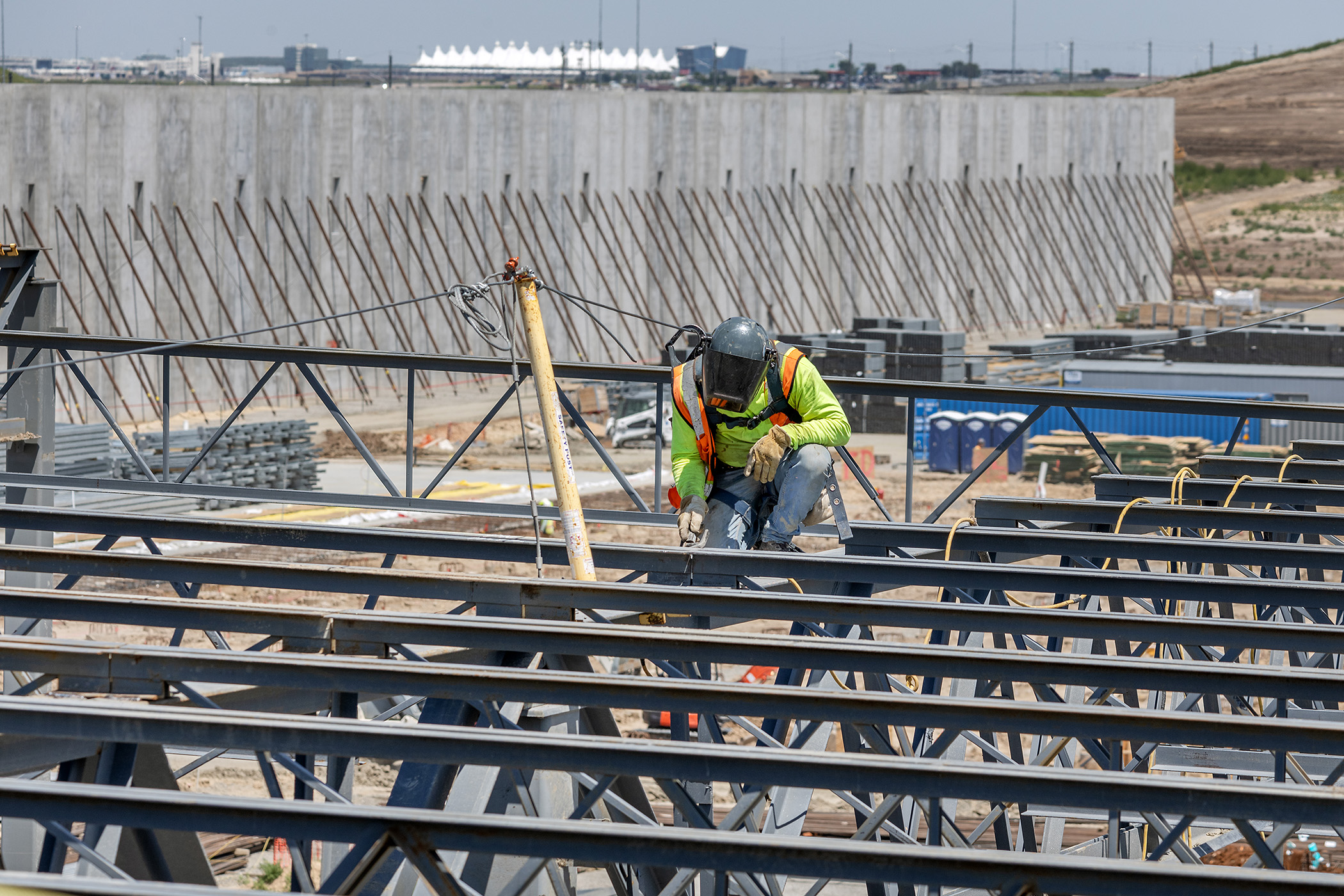
Starting construction contracts early is not simply about mobilizing sooner; rather, it’s about integrating the right expertise at the right time to improve and advance the plan.
In complex industrial projects, design and construction decisions are deeply connected. Direct relationships span virtually every facet of a project:
- Building layouts affect process flow
- Utility requirements influence site infrastructure
- Equipment lead times drive building enclosure dates
- Permitting timelines shape the sequence of work
When contractors and their trade partners are not involved until later in the process, these connections may not be fully understood until the project is already moving. At that point, the team may be forced to adjust drawings, revise estimates, resequence work, or address field conflicts that could have been rectified earlier.
“Problems aren’t what hurts projects,” says Clayton Wilkerson, field operations manager at Gray. “It’s the surprises that hurt projects. Strong teams identify issues early, communicate openly, and solve them together.”
Early contractor engagement brings construction management, estimating, scheduling, the construction procurement process, safety, quality, and trade partner input into the planning process while the team still has flexibility to act on it without increasing cost or schedule.
Such visibility also provides a clearer picture to owners of how design decisions affect project needs, costs, schedule, constructability, and long-term facility performance.
“Customer input is critical,” says Brett Goode, executive vice president for the food & beverage market at Gray. “Asking the right questions at the right time helps ensure you’re designing the right solution before major decisions are locked in.”
Early Alignment Supports Stronger Cost Control
Cost certainty is one of the most important benefits of early contractor involvement.
Industrial project costs are influenced by many variables: material pricing, labor availability, equipment requirements, permitting needs, utility infrastructure, site conditions, logistics, and owner-driven scope decisions. The earlier these variables are evaluated, the better the team can develop realistic budgets and procurement strategies.
A general contractor’s pre-construction planning services can help owners understand cost drivers before they become surprises:
- Estimators compare options, validate assumptions, identify escalation risks, and align budget and scope
- Procurement teams evaluate market conditions for long-lead items such as structural steel, electrical switchgear, specialized production equipment, and refrigeration and HVAC systems
- Construction procurement managers identify sequencing strategies that support efficiency and safety
- Project management software and tools can improve visibility across schedule, cost, procurement, and decision tracking
“You can have all the tools and technology in the world, but without the right people at the table to anticipate challenges, you risk spending money without creating meaningful impact,” says Goode.
Together, these distinct roles offer a comprehensive plan of attack for turning information into action and delivering a successful industrial facility.
Procurement & Execution Methods Shape Project Outcomes
Every industrial owner must choose how to procure and contract design and construction services. This choice directly impacts coordination, accountability, cost certainty, and schedule performance.
Once the industry standard approach, design-bid-build separates design and construction into distinct phases. The owner contracts with a designer, completes the design, solicits bids, and then selects a contractor to build the project. This method offers certainty of design, particularly when scope is straightforward and schedule pressure is limited. By definition, however, design-bid-build’s separation of design and construction prohibits early contractor involvement and input on constructability, sequencing, procurement strategies, and project costs. If the design includes details that are difficult to build, expensive to procure, or misaligned with current labor and material conditions, these issues may not surface until bidding or later during construction.
More integrated construction procurement methods structure project phases and teams differently. For example, under design-build delivery, design and construction services are aligned under a single accountable partner. Instead of a hand-off from one team to another, the project remains for the full duration with a design-builder who brings architects, engineers, estimators, procurement teams, construction managers, and trade partners together much earlier in the process.
For industrial owners, an integrated project delivery supports faster decision-making, stronger coordination, and more efficient execution across the entire project lifecycle.
Why Design-Bid-Build Can Limit Industrial Projects
Design-bid-build remains a familiar method across the construction industry, but familiarity does not equate to efficiency or flexibility.
In industrial projects, complex projects rarely move in a straight line. Owners need to account for highly technical equipment specifications, automation systems, food safety standards, cleanroom requirements, utility demands, high-volume distribution processes, and capacity expansion needs. These considerations involve firm requirements as well as shifting conditions that demand close coordination between the people designing the facility and those responsible for building it.
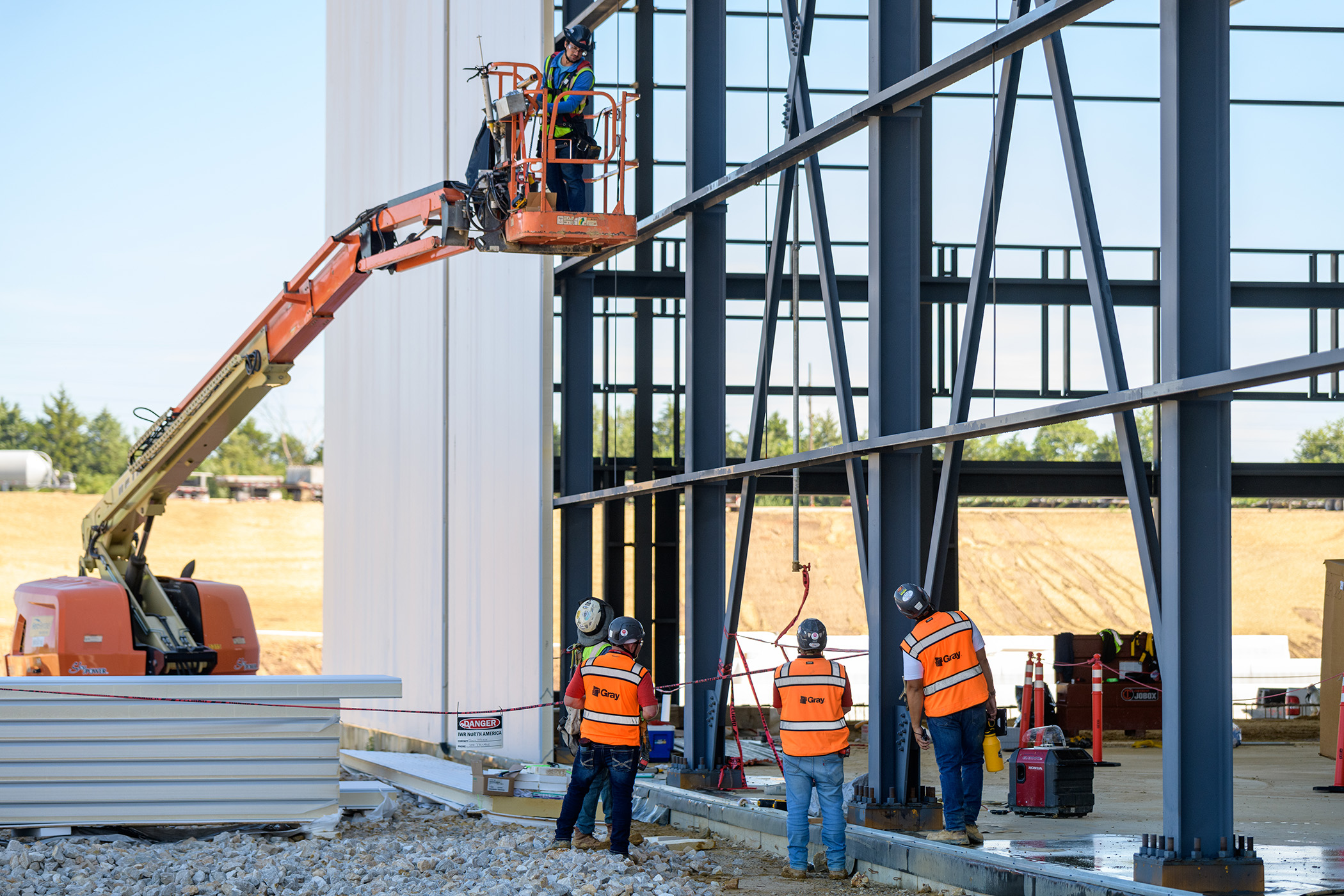
Design-bid-build tends to compress coordination and problem-solving into a project’s later stages. When design and construction teams are separated, assumptions can drive decisions and gaps can emerge. A designer may not have real-time input on material availability or construction sequencing. Trade partners may discover clearance clashes after coordination windows have closed.
When challenges arise, this can leave the owner to manage the risks of multiple contracts with competing priorities and unclear accountability. The result may be added costs in the form of change orders, rework, and delayed starts. For owners under pressure to bring a facility online quickly, waiting too long to integrate construction expertise can create risk where the project can least afford it.
How Design-Build Delivery Improves Coordination
Design-build delivery’s single-contract model provides built-in tools that enhance collaboration, quality, and flexibility. Rather than waiting to bid construction companies until design reaches 100%, design-build aligns these phases immediately and keeps them connected throughout execution.
“The quality of the management team is just as important as the productivity of the workforce,” says Richard Edwins, business unit leader of strategic projects at Gray. “Planning, organizing, and projecting work effectively protects the schedule.”
With design and construction operating as one team, project scope can be evaluated through multiple lenses at the same time: operational need, design intent, cost, schedule, safety, procurement, constructability, and long-term performance. This integrated, multidisciplinary approach allows the team to identify and correct potential issues before they reach the field, with each stakeholder providing input that plays to their strengths:
- Procurement teams can flag long-lead materials and source alternatives if necessary while design is still advancing
- Project managers can evaluate schedule impacts and adjust before commitments are made
- Trade partners can provide input on installation sequences and engineering solutions
- Construction teams can identify site logistics needs, safety considerations, and potential constraints
- Owners can make decisions faster and clearly see their impact on capital investment and speed to market
This level of coordination is especially valuable when schedule compression is a priority. One of design-build’s greatest strengths is its controlled overlap of project scopes. Leveraging this capability, construction managers can begin sitework, foundations, structural packages, or procurement before final design is complete. The benefit is not speed alone, but rather, a project structure that empowers stakeholders to make better informed decisions earlier and execute work with greater confidence.
Building Momentum from the Beginning
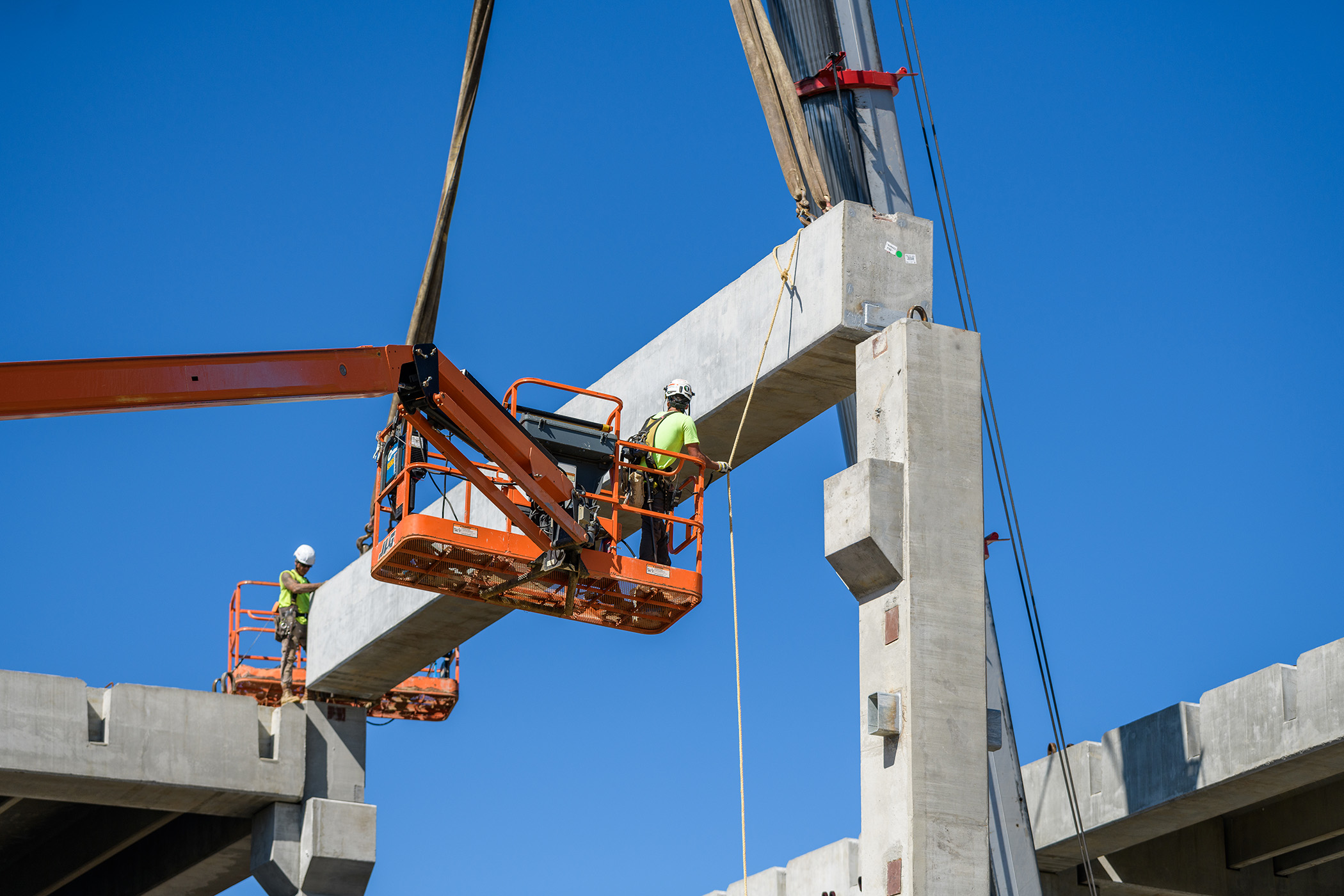
The advantages of design-build delivery center on connection: the value lies in alignment of teams along the project’s critical path.
“Good planning prevents firefighting,” says Wilkerson. “The earlier a risk is identified, the easier and less costly it is to solve.”
When owners, designers, engineers, construction managers, project managers, procurement teams, and trade partners are working from the same plan, projects move with greater clarity. Decisions happen faster. Costs are better understood. Schedules become more realistic. Risks are identified earlier. The facility is more likely to support the current and future project goals that justified the investment in the first place.
In today’s industrial market, where speed, flexibility, and certainty are all essential, the most successful construction projects are the ones that start with the strongest alignment. By choosing procurement processes and effective project management partners that bring design and construction together from the beginning, owners can create momentum long before groundbreaking and carry that momentum through turnover, startup, and operation.
Some opinions expressed in this article may be those of a contributing author and not necessarily Gray.
Related News & Insights
Design-Build Continues to Gain Ground Across Industrial Landscape
Corporate News
June 17, 2026Construction
Design-Build and Self-Perform: the Perfect Pairing
Industry, Opinion
December 01, 2025Construction
Six Ways That Design-Build Delivers Stronger Teams & More Successful Projects
Industry, Opinion
May 29, 2025