Planes, Trains, & Autonomous Vehicles: The New Era of AI-Powered Transportation
It’s a new dawn in transportation. Advances in personal and mass transit technologies are bringing together capable sensors, onboard computing, digital communications, software-based control, and, in some applications, AI-assisted perception and decision-making.
Changes trend toward a decidedly hands-off approach for the consumer, but it’s all hands on deck for those responsible for building new production facilities and infrastructure. New transportation technologies are changing not only how vehicles operate, but also demand for the components manufacturers produce and the infrastructure operators need to support. As transportation systems become more automated and connected, the challenge is increasingly physical: turning digital technologies into reliable products, production capacity, and infrastructure that can support wider deployment.

Ways that Emerging Hardware & Software Are Reshaping the Transportation Network
Across aviation, rail, and road transportation, advances in automation, sensing, computing, and connectivity are changing how vehicles and transportation systems operate.
- In aviation, advanced air mobility is introducing highly automated aircraft, and the FAA is developing safety-assurance approaches for AI and machine learning used in aircraft systems.
- In rail, Federal Railroad Administration research on automated train operations includes locomotive-mounted sensor platforms that work with onboard systems to detect hazards and support automation.
- On roads, vehicle-to-everything technologies extend connectivity beyond the vehicle by linking vehicles with roadside infrastructure and other road users. Current autonomous vehicle systems use cameras, radar, lidar, location data, and onboard computing to interpret the driving environment and support vehicle decision-making.
Artificial Intelligence Drives Adoption of Autonomous Vehicles
Autonomous vehicles offer one of the clearest examples of AI moving into commercial transportation. At SAE Level 4, or high driving automation, the system can perform the driving task within defined operating areas or conditions without a human driver. That level of automation has moved beyond testing. Fully autonomous ride-hailing is operating within defined service areas in multiple U.S. cities.
Behind those commercial deployments, the AI used for autonomous driving continues to evolve. Newer end-to-end and reasoning-based AI architectures can process sensor inputs and driving context more directly into trajectories or driving decisions. As the software becomes more capable, vehicle manufacturers still have to integrate the computing and control hardware needed to support it.
Constructing a Smarter, More Connected Transportation System
Advanced technologies are driving changes in smart transportation infrastructure used for operation, maintenance, and testing. In Michigan, a three-mile pilot section of I-94 has been equipped with radar, sensors, and wireless communications to test connected and automated vehicle operations. The project shows how autonomous vehicle infrastructure extends beyond the vehicle itself.
Rail and aviation also require infrastructure investment beyond trains and aircraft. Amtrak is upgrading maintenance facilities for its modernized Airo fleet. In aviation, the investment extends to specialized research infrastructure. The FAA broke ground in 2026 on an advanced air mobility research range in Oklahoma City that includes a vertiport, hangar, and control center.
The Challenges of Manufacturing & Integrating Advanced Transportation Technology
Advanced transportation manufacturing now brings together specialized electronics, software, sensing systems, power systems, and traditional mechanical components. The manufacturing chain runs from chipmakers and electronics suppliers to software developers, integrators, and OEMs.
Components from multiple suppliers must then be integrated, calibrated, tested, and validated as part of a reliable operating system. For manufacturers, the challenge extends beyond securing individual technologies. Production lines, test environments, supplier networks, and workforce capabilities also have to support increasingly complex products as production scales.
The Economic Growth Potential of Autonomous Transportation & Artificial Intelligence
As AI takes on a larger role in perception, navigation, and decision-making, transportation systems require more computing power and the semiconductors and electronics that support it. Recent U.S. investments show how that demand is translating into new domestic production capacity.
- In July 2026, Bosch committed $2 billion to transform its Roseville, California, facility into a silicon-carbide semiconductor plant serving automotive and other markets, including new cleanroom space and an advanced manufacturing line.
- In August, the Department of Energy selected seven projects for $500 million in funding to expand domestic critical mineral and material processing, battery manufacturing, and recycling capacity.
Regionalizing Supply Chains Through Strategic Procurement & Construction Partnerships
Recent U.S. investments point to a broader expansion of domestic manufacturing capacity. Decisions about what to manufacture, where to locate capacity, which suppliers need proximity, and whether existing plants can support new production requirements can influence how quickly emerging transportation technologies move from development into scalable production.
Building the Manufacturing Facilities Behind Advanced Transportation
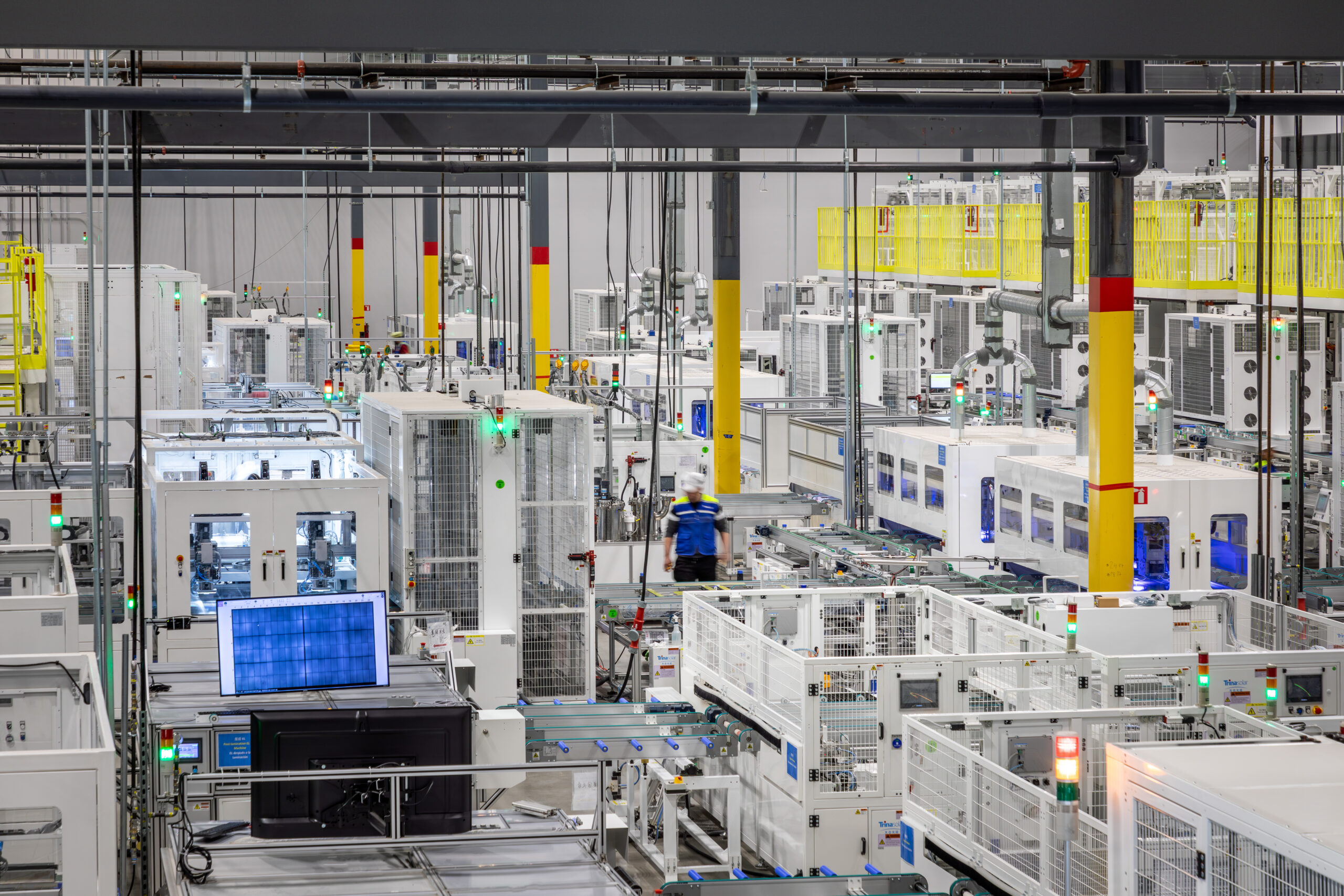
Transportation technology involves physical requirements inside and outside the factory. Manufacturers are adding new plants, expansions, and retrofits to increase capacity for the components and systems behind more connected and automated transportation. Major U.S. factory projects expected to break ground or begin operations in 2026 include semiconductor fabrication plants, vehicle and battery production, and aircraft manufacturing.
For manufacturers, the facility challenge varies widely by product and process. A semiconductor or advanced-electronics operation may require cleanrooms, tightly controlled environments, substantial power and process utilities, and specialized packaging or testing areas. Battery and automotive suppliers can bring different requirements for heavy production equipment, reinforced slabs, material handling, cooling, process piping, and automated storage. Existing facilities may be candidates for retrofit or retooling, while other operations require greenfield capacity or phased expansion.
Whether the project involves a retrofit, expansion, or greenfield facility, the building and production process have to work together. Equipment loads, utility routes, clear heights, material flow, equipment access, testing space, and future expansion can influence design well before construction begins. As transportation technologies continue to evolve, manufacturers are also weighing how readily production areas and utilities can accommodate new equipment, product changes, or added capacity.
How Gray Helps Businesses Accelerate Autonomous Transportation Innovation
Manufacturers adding advanced production capacity need partners with experience coordinating specialized facility requirements, production equipment, utilities, and construction from the outset. Gray’s recent work includes brownfield conversions and highly specialized greenfield manufacturing facilities. In Texas, Gray converted an existing building into an advanced-electronics plant with a 160,000-square-foot cleanroom, data center, and specialized packaging area for Wistron. In Kentucky, Gray’s design-build work for LOTTE included extensive process utilities, reinforced slabs for heavy equipment, cranes, cooling systems, and automated storage.
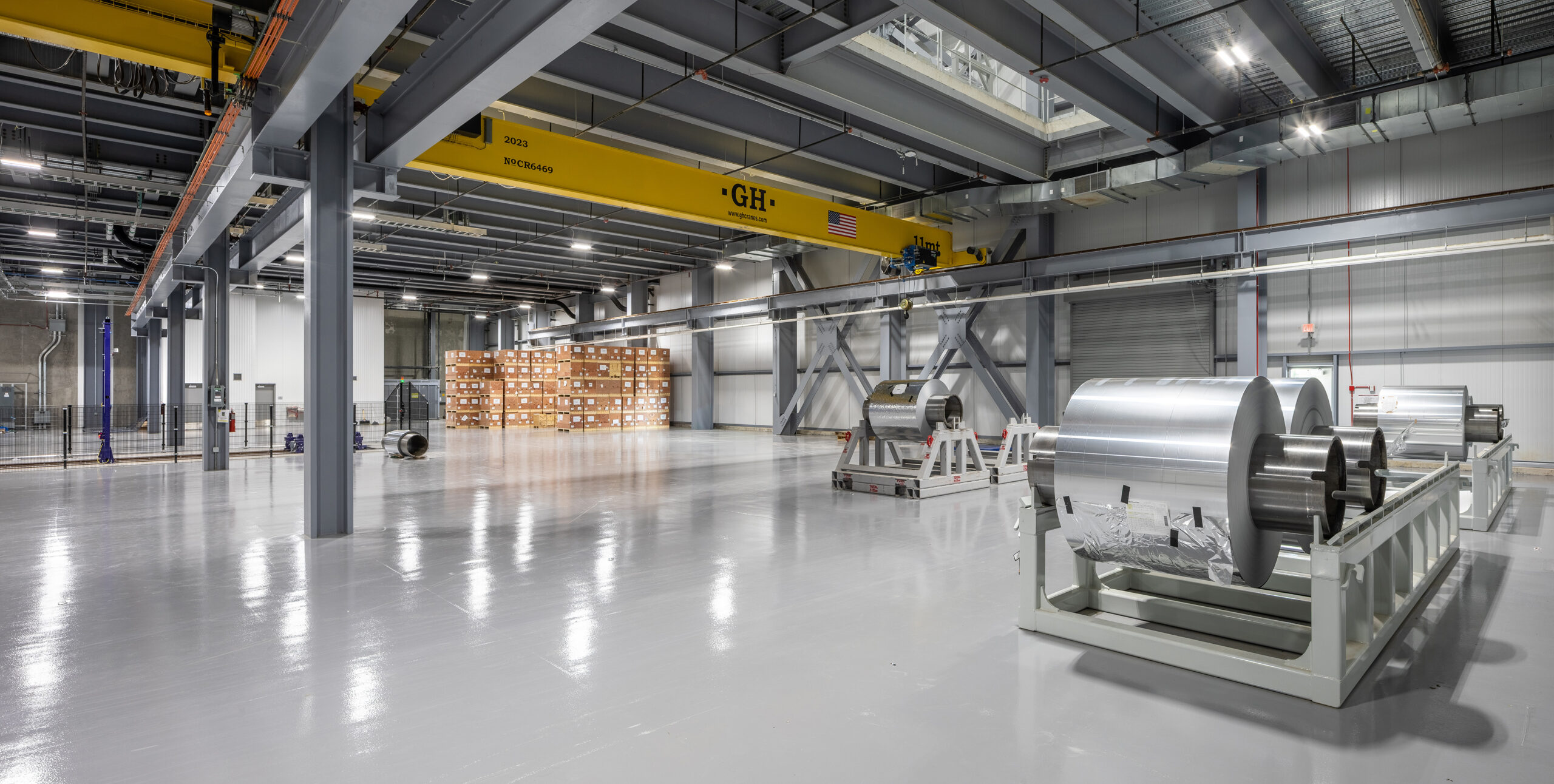
Projects with this level of process complexity benefit from early coordination among facility design, engineering, equipment requirements, procurement, and construction. Bringing disciplines together earlier can surface conflicts before they reach the field, address long-lead procurement sooner, and protect the path from capital investment to productive capacity. In markets where technologies and demand are evolving quickly, bringing capacity online sooner can become a competitive advantage.
As transportation R&D continues to advance, scaling the next generation of technology will depend not only on the innovation itself, but on the facilities and infrastructure capable of producing and supporting it.
Some opinions expressed in this article may be those of a contributing author and not necessarily Gray.
Related News & Insights
Manufacturing
As Electric Vehicles Become More Common, Infrastructure Must Keep Pace
Industry
Robotics & Vision Systems
Emerging Technology Spurs Surge in Electric Vehicles
Industry
Food & Beverage
How Advanced Technologies and Robotics are Shaping the Future of Manufacturing
Industry